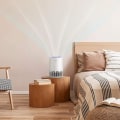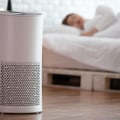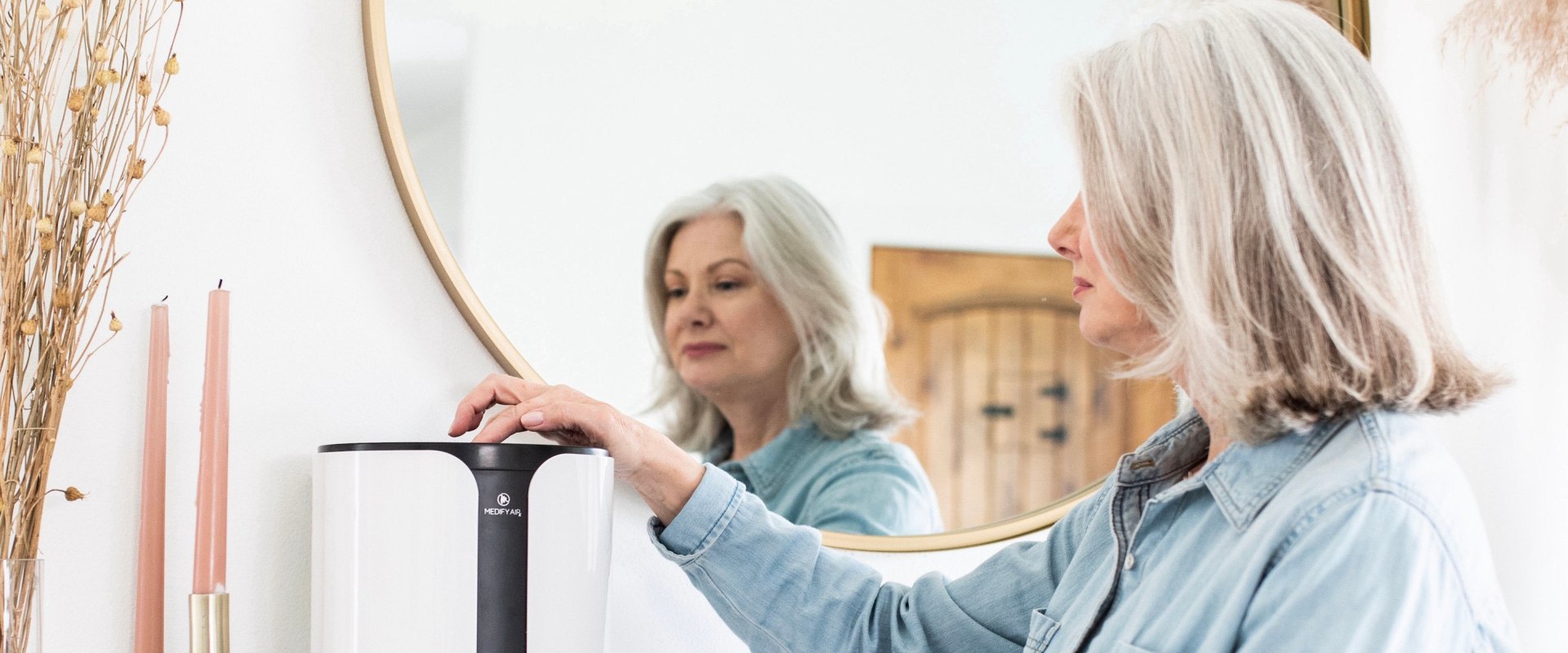
In an age where we spend the majority of our time indoors, the quality of the air we breathe has become a significant concern. Air purifiers have emerged as essential devices designed to enhance indoor air quality by removing pollutants, allergens, and harmful particles from the environment. But what exactly are air purifiers, and how do they function? Understanding these devices is crucial for anyone looking to improve their home or office atmosphere.At their core, air purifiers are machines that filter and clean the air in a given space. They work by drawing in air from the room, passing it through various filtration systems, and then releasing purified air back into the environment.
The effectiveness of an air purifier largely depends on its design and the type of filters it employs. Common filtration methods include HEPA (High-Efficiency Particulate Air) filters, activated carbon filters, and UV light technology, each targeting different types of contaminants.The benefits of using air purifiers extend beyond mere comfort; they play a vital role in promoting health and well-being. By effectively reducing airborne particles such as dust, pollen, pet dander, and smoke, these devices can alleviate allergy symptoms and respiratory issues. Moreover, they can help eliminate odors and harmful chemicals often found in household products, creating a fresher and safer living environment.
As we delve deeper into the world of air purifiers, it becomes evident that choosing the right one can significantly impact our health and quality of life.
Common Myths About Air Purifiers
When it comes to air purifiers, a number of myths and misconceptions can cloud the judgment of potential buyers. Understanding these myths is essential for making informed decisions about which device to choose and how to use it effectively.Myth 1: All Air Purifiers Are the Same
One of the most common misconceptions is that all air purifiers function similarly. In reality, there are various types of air purifiers, each designed to tackle specific pollutants. For instance, HEPA filters are highly effective at capturing particulate matter, while activated carbon filters excel at removing odors and volatile organic compounds (VOCs).
Understanding the differences can help you select the top air purifiers that meet your specific needs.
Myth 2: Air Purifiers Eliminate All Indoor Pollutants
Another prevalent myth is that air purifiers can eliminate all types of indoor pollutants. While they are effective at reducing certain particles, such as dust, pollen, and smoke, they may not be able to remove gases or chemicals effectively unless they are equipped with the right filters. For example, ozone generators are often marketed as air purifiers but can actually produce harmful ozone, which poses health risks.Another prevalent myth is that air purifiers can eliminate all types of indoor pollutants. While they are effective at reducing certain particles, such as dust, pollen, and smoke, they may not be able to remove gases or chemicals effectively unless they are equipped with the right filters. For example, ozone generators are often marketed as air purifiers but can actually produce harmful ozone, which poses health risks.
Myth 3: You Don’t Need to Change Filters Regularly
Many users believe that once they purchase an air purifier, they can set it and forget it. However, regular maintenance is crucial for optimal performance.
Filters need to be changed or cleaned according to the manufacturer's recommendations; otherwise, the device may become less effective over time. Neglecting this maintenance can lead to a buildup of pollutants rather than their removal.
Myth 4: Air Purifiers Are Only Necessary for Allergies
While individuals with allergies or asthma may benefit significantly from using air purifiers, they are not exclusively for those with respiratory issues. Air purifiers can improve overall indoor air quality by reducing harmful particles and allergens that affect everyone in the household. This makes them a valuable addition to any home environment.
Myth 5: Running an Air Purifier Is Expensive
Some people assume that operating an air purifier will lead to high electricity bills.
In fact, many modern air purifiers are energy-efficient and consume less power than a standard light bulb. When considering the health benefits and improved quality of life they provide, the cost of running an air purifier is often justified.By debunking these common myths about air purifiers, consumers can make more informed choices when selecting devices that truly enhance their indoor air quality. Understanding what these devices can and cannot do is key to maximizing their benefits.
Types of Air Purifiers
When it comes to improving indoor air quality, understanding the different types of air purifiers available is essential. Each type employs unique technologies to tackle various pollutants, making it crucial to choose one that aligns with your specific needs.HEPA Filters
One of the most recognized types of air purifiers is the one that utilizes HEPA filters (High-Efficiency Particulate Air).These filters are designed to capture at least 99.97% of particles that are 0.3 microns in diameter. This includes dust, pollen, pet dander, and even some bacteria and viruses. HEPA filters work by forcing air through a fine mesh that traps these harmful particles, making them highly effective for allergy sufferers and those with respiratory issues.
Ionizers
Ionizers
, or ion-generating air purifiers, function by emitting negatively charged ions into the air. These ions attach themselves to positively charged particles, such as dust and smoke, causing them to clump together and settle out of the air.
While ionizers can reduce airborne particles, they may also produce ozone as a byproduct, which can be harmful to health. Therefore, it’s important to choose models that are certified for low ozone emissions.
UV Light Air Purifiers
UV light air purifiers
use ultraviolet light to kill or deactivate microorganisms such as bacteria, viruses, and mold spores. This technology is particularly beneficial in environments where sterilization is a priority, such as hospitals or homes with immunocompromised individuals. However, UV purifiers are often used in conjunction with other filtration systems since they primarily target biological contaminants rather than particulate matter.
Activated Carbon Filters
Activated carbon filters
are another popular option for air purification.
These filters contain porous carbon that adsorbs odors, gases, and volatile organic compounds (VOCs) from the air. They are particularly effective at removing smells from cooking, pets, and smoke. However, activated carbon filters do not capture particulate matter effectively on their own and are often combined with HEPA filters for comprehensive air cleaning.In summary, understanding the various types of air purifiers —from HEPA filters to ionizers and UV light systems—can help you make an informed decision based on your specific indoor air quality needs. Each type has its strengths and weaknesses, so consider what pollutants you want to target before making a purchase.
How to Choose the Right Air Purifier
Choosing the right air purifier can significantly enhance your indoor air quality, but with so many options available, it can be overwhelming.Here are some essential factors to consider when selecting the best air purifier for your home:
- Room Size: One of the first things to assess is the size of the room where you plan to use the air purifier. Each model is designed to cover a specific square footage. Make sure to choose a unit that matches or exceeds the size of your space for optimal performance.
- Filter Type: The type of filter used in an air purifier is crucial for its effectiveness. HEPA filters are highly recommended as they can capture 99.97% of particles that are 0.3 microns or larger, including dust, pollen, and pet dander.
Some purifiers also include activated carbon filters, which are excellent for removing odors and volatile organic compounds (VOCs).
- Noise Levels: Consider how much noise you can tolerate, especially if you plan to use the air purifier in a bedroom or office. Look for models that offer a range of fan speeds and check the decibel ratings. Many modern air purifiers operate quietly, even on higher settings.
- Maintenance Requirements: Regular maintenance is essential for keeping your air purifier functioning effectively. Check how often filters need to be replaced and the associated costs.
Some models come with filter change indicators, which can help you stay on top of maintenance.
- Energy Efficiency: Look for energy-efficient models that have the Energy Star label. These purifiers consume less electricity while still providing effective air cleaning, which can save you money on utility bills in the long run.
- Additional Features: Many air purifiers come with extra features such as smart technology, which allows you to control them via smartphone apps or voice commands. Others may include air quality sensors that adjust the purification level based on real-time data.
Health Benefits of Using Air Purifiers
Air purifiers have gained significant attention in recent years, particularly as awareness of indoor air quality has increased.The health benefits of using air purifiers are numerous, and understanding these advantages can help individuals make informed decisions about their indoor environments.One of the primary health benefits of air purifiers is their ability to reduce allergens. Common indoor allergens such as dust mites, pet dander, and pollen can trigger allergic reactions and exacerbate asthma symptoms. By effectively filtering out these particles, air purifiers can create a more comfortable living space for those with allergies or respiratory conditions.Moreover, air purifiers play a crucial role in eliminating harmful pollutants from the air. Volatile organic compounds (VOCs), which are emitted by household products like paints, cleaning agents, and furniture, can contribute to poor indoor air quality.
Prolonged exposure to VOCs can lead to various health issues, including headaches, dizziness, and even long-term damage to the liver and kidneys. High-quality air purifiers equipped with activated carbon filters can significantly reduce these harmful substances.Another significant aspect is the removal of fine particulate matter (PM2.5) from the air. These tiny particles can penetrate deep into the lungs and enter the bloodstream, leading to serious health problems such as cardiovascular diseases and respiratory infections. Air purifiers that utilize HEPA filters are particularly effective at capturing PM2.5 particles, thus improving overall air quality.In addition to filtering out allergens and pollutants, air purifiers can also help mitigate odors caused by cooking, pets, or smoke.
This not only enhances the overall ambiance of a home but also contributes to better mental well-being. A clean-smelling environment can reduce stress and promote relaxation.Furthermore, during times of heightened concern over airborne viruses and bacteria, such as during flu seasons or pandemics, certain air purifiers are designed to neutralize pathogens in the air. Devices equipped with UV-C light technology can kill or deactivate viruses and bacteria, providing an additional layer of protection for occupants.In conclusion, the health benefits of using air purifiers extend beyond mere comfort; they play a vital role in enhancing indoor air quality and promoting overall well-being. By reducing allergens, pollutants, and harmful particles in the air, these devices contribute significantly to a healthier living environment.
Potential Risks and Considerations
While air purifiers can significantly enhance indoor air quality, it is essential to recognize that not all devices are created equal.Some types of air purifiers, particularly ozone generators and ionizers, come with potential risks that users should be aware of.
Understanding Ozone Generators
Ozone generators are marketed as air purifiers that can eliminate odors and harmful pollutants. However, they produce ozone, a gas that can be detrimental to health. The California Air Resources Board (CARB) has issued warnings against the use of these devices in residential settings due to their ability to emit high levels of ozone.- Health Risks: Exposure to ozone can lead to respiratory issues, including throat irritation, coughing, and shortness of breath. Long-term exposure may exacerbate asthma and other lung conditions.
- Environmental Concerns: Ozone is a significant component of smog, which can harm both human health and the environment.
The Dangers of Ionizers
Ionizers work by charging particles in the air, causing them to settle out of the air.While they may reduce airborne particles, they also produce ozone as a byproduct. This raises similar health concerns as ozone generators.
- Potential Health Effects: The ozone produced by ionizers can lead to similar respiratory problems as those caused by ozone generators. Additionally, some studies suggest that ionizers may not effectively remove all types of pollutants from the air.
- Lack of Regulation: The market for ionizers is often unregulated, leading to variations in effectiveness and safety among different brands and models.
Always prioritize your health and well-being by choosing air purifiers that do not compromise indoor air quality with harmful emissions.
Maintaining Your Air Purifier for Optimal Performance
To ensure your air purifier operates at peak efficiency, regular maintenance is essential. Neglecting this aspect can lead to reduced performance and compromised air quality. Here are some practical tips for maintaining your air purifier:- Regular Filter Replacement: One of the most critical maintenance tasks is replacing the filters. Most manufacturers recommend changing HEPA filters every 6 to 12 months, depending on usage and air quality.
If you have pets or live in a dusty area, you may need to replace them more frequently.
- Pre-Filters: Many air purifiers come with pre-filters that capture larger particles before they reach the main filter. These should be checked monthly and cleaned or replaced as needed. Cleaning pre-filters can often be done by vacuuming or washing them, depending on the model.
- Cleaning the Unit: Dust and debris can accumulate on the exterior of your air purifier, affecting its performance. Wipe down the outside with a damp cloth regularly.
Avoid using harsh chemicals that could damage the unit.
- Check for Blockages: Ensure that the air intake and outlet are free from obstructions. Regularly inspect these areas to prevent airflow restrictions, which can hinder performance.
- Monitor Air Quality Indicators: Many modern air purifiers come equipped with air quality sensors that provide real-time feedback. Pay attention to these indicators; if they signal poor air quality despite regular maintenance, it may be time to check your filters or consider a more powerful model.
Frequently Asked Questions (FAQs)
When considering the purchase of a top air purifier, many potential buyers have questions regarding their functionality, maintenance, and effectiveness.Below are some frequently asked questions that can help clarify common concerns.
What types of air purifiers are available?
There are several types of air purifiers, each designed to tackle specific pollutants:- HEPA Filters: These are highly effective at capturing small particles, including dust, pollen, and pet dander.
- Activated Carbon Filters: Ideal for removing odors and volatile organic compounds (VOCs) from the air.
- Ionic Purifiers: These devices release charged ions to attract and settle airborne particles but may produce ozone as a byproduct.
- UV Light Purifiers: Utilize ultraviolet light to kill bacteria and viruses, often used in conjunction with other filtration methods.
How often should I replace the filters?
The frequency of filter replacement depends on the type of air purifier and usage. Generally, HEPA filters should be replaced every 6 to 12 months, while activated carbon filters may need replacement every 3 to 6 months. Always refer to the manufacturer's guidelines for specific recommendations.Can air purifiers help with allergies?
Yes, top air purifiers can significantly reduce allergens in your home. HEPA filters are particularly effective at capturing pollen, dust mites, and pet dander, which can alleviate allergy symptoms for many individuals.What maintenance do air purifiers require?
Regular maintenance is essential for optimal performance:- Filter Replacement: As mentioned earlier, keep track of when filters need changing.
- Cleaning: Wipe down the exterior and any accessible parts of the unit to prevent dust buildup.
- Check for Blockages: Ensure that air intake and outlet areas are free from obstructions to maintain airflow.
Are air purifiers noisy?
The noise level of an air purifier varies by model.Many modern units are designed to operate quietly, especially on lower settings. If noise is a concern, look for models specifically labeled as "whisper-quiet" or check user reviews for feedback on sound levels.
What should I do if my air purifier stops working?
If your air purifier ceases to function:- Check the Power Source: Ensure it is plugged in and that the outlet is functioning.
- Inspect Filters: A clogged filter can cause the unit to shut down; replace it if necessary.
- Consult the Manual: Refer to troubleshooting tips provided by the manufacturer.
Conclusion: Making Informed Choices for Cleaner Air
In summary, the journey towards achieving cleaner indoor air is not just about purchasing an air purifier; it involves understanding the various factors that contribute to air quality and making informed decisions based on reliable information. Throughout this article, we have explored several myths surrounding air purifiers and highlighted the importance of distinguishing fact from fiction.One of the most critical takeaways is that not all air purifiers are created equal. Different models serve different purposes, and their effectiveness can vary significantly based on the technology they employ.For instance, while HEPA filters are renowned for their ability to capture fine particles, other types, such as ozone generators, can pose health risks rather than mitigate them. Therefore, it is essential to research and understand the specific features of each device before making a purchase.Moreover, we discussed the significance of addressing indoor pollution sources directly. Simple actions like improving ventilation, reducing clutter, and using non-toxic cleaning products can significantly enhance indoor air quality. An air purifier should be viewed as a complementary tool rather than a standalone solution.As you consider your options for top air purifiers, remember to consult resources such as the California Air Resources Board for certified devices and read product labels carefully.
Look for features that specifically target the pollutants you are most concerned about, whether they be allergens, smoke, or volatile organic compounds (VOCs).Ultimately, making informed choices about air purifiers involves a combination of understanding your unique indoor environment and being aware of the potential pitfalls associated with certain technologies. By prioritizing safety and effectiveness in your selection process, you can create a healthier living space for yourself and your loved ones.In conclusion, cleaner air is within reach if we approach our choices with knowledge and caution. Let us commit to making informed decisions that will lead to improved indoor air quality and overall well-being.