Quick Answers
Carpet Removal
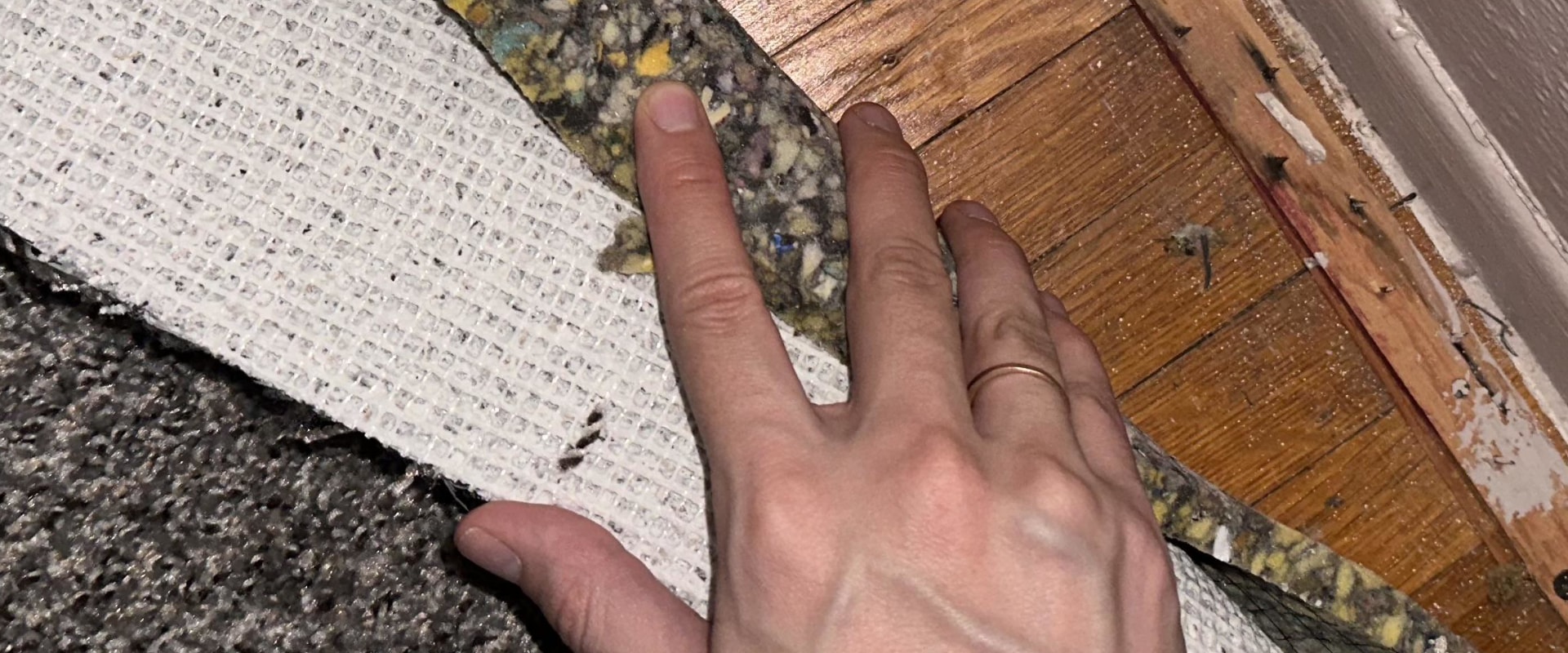
Carpet removal is the process of lifting carpet, padding, and fasteners without damaging the floor underneath. From our experience, the key is controlled removal—cutting carpet into sections, removing padding separately, and handling tack strips carefully. When done properly, carpet removal protects floors, improves indoor air quality, and allows for responsible disposal or recycling.
Top Takeaways
Floor damage is preventable with a slow, controlled approach.
Sequence matters more than force or tools.
Air quality and safety should be considered during removal.
Plan disposal and recycling before you start.
Carpet removal sets the foundation for your next flooring step.
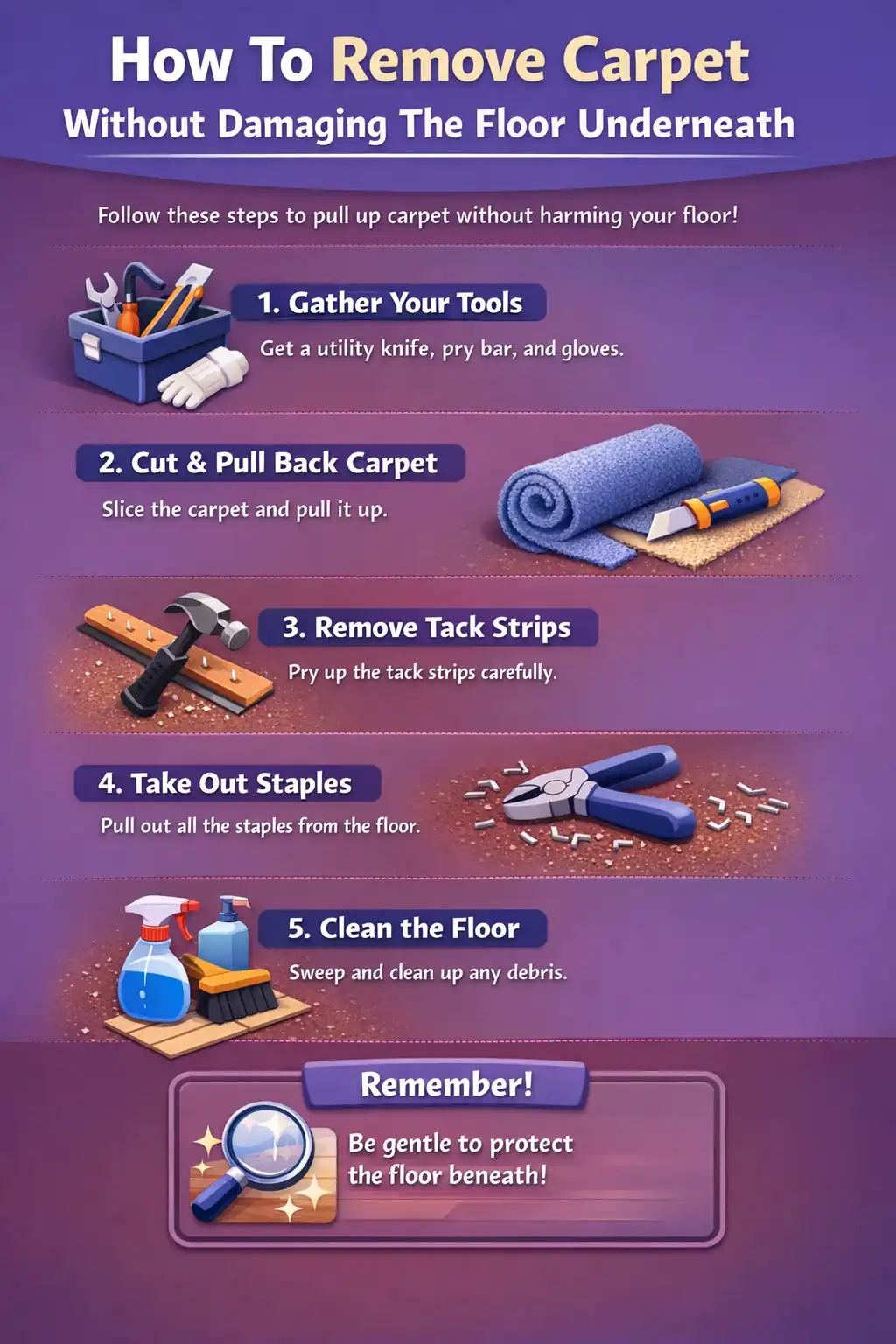
How To Remove Carpet Without Damaging The Floor Underneath
Removing carpet safely comes down to control, order, and surface awareness. The floor underneath—whether hardwood, concrete, or subfloor—can be protected if each layer of the carpet system is removed intentionally instead of forcefully.
Prepare the Area Before You Start
Clear the room completely as part of the junk removal process and inspect the carpet edges to identify how it’s secured. Most damage happens when junk removal or carpet removal begins blindly. Proper prep during junk removal gives you leverage without stressing the floor.
Cut and Roll the Carpet in Sections
Rather than pulling the carpet up all at once, cut it into manageable strips and roll it tightly as you go. This reduces tension on tack strips and prevents sudden tears that can scrape or dent the surface below.
Remove Padding Separately and Slowly
Padding is often stapled or glued down. Pulling it up too fast can splinter wood or pull chunks from concrete. Work in small sections and remove staples individually to avoid gouges.
Handle Tack Strips With Care
Tack strips are one of the biggest risks to underlying floors. Pry them up gently using a flat pry bar, applying pressure against the wall—not the floor—to avoid cracks or chips.
Address Staples, Nails, and Adhesive Residue
Once the carpet is gone, carefully remove remaining fasteners and adhesive. Rushing this step can undo all your careful work. Slow cleanup preserves the finish and prepares the surface for its next use.
Why This Approach Works
Carpet damage doesn’t come from removal itself—it comes from speed and improper technique. By breaking the process into controlled steps, just like the safest ways to dispose of an old mattress, you protect the floor, reduce repair costs, and reveal a clean surface ready for refinishing or replacement.
“Most floor damage we see doesn’t happen because carpet is hard to remove—it happens because people rush the first five minutes. Once tack strips, staples, and adhesive are handled in the right order, the floor underneath almost always comes out intact.”
Essential Resources
Carpet removal comes with a lot of questions—cost, tools, disposal, and what to do next. These trusted resources provide clear, practical information to help you make informed decisions, whether you’re considering a DIY approach or professional removal.
Get Accurate Cost Estimates for Your Project
HomeGuide — Carpet Removal Cost Guide
This resource breaks down average carpet removal costs by room size, labor, and disposal so you know what fair pricing looks like before requesting quotes.
https://homeguide.com/costs/carpet-removal-cost
Learn Professional Carpet Removal Techniques
This Old House — How to Remove Carpet
A step-by-step guide that explains preparation, proper tools, and safe removal techniques used by experienced professionals.
https://www.thisoldhouse.com/flooring/21097110/how-to-remove-carpet
Find Carpet Recycling Locations Near You
Carpet America Recovery Effort (CARE)
CARE helps homeowners locate carpet recycling facilities and understand responsible disposal options that keep materials out of landfills.
https://carpetrecovery.org/
Understand Environmental Impact and Disposal Guidelines
U.S. Environmental Protection Agency — Greener Carpet Guide
This EPA guide explains how carpet waste affects the environment and outlines more sustainable disposal and recycling options.
https://www.epa.gov/greenerproducts/identifying-greener-carpet
Calculate Project Costs Based on Your ZIP Code
Homewyse — Carpet Removal Cost Calculator
Use this calculator to estimate labor costs based on your location and project size, helping you compare local pricing more accurately.
https://www.homewyse.com/services/cost_to_remove_carpet.html
Vet Contractors Before Hiring
HomeGuide — Carpet Removal Companies Guide
Learn what to look for when hiring a carpet removal service, including licensing, insurance, and responsible disposal practices.
https://homeguide.com/carpet-removal-companies
Plan What Comes After Carpet Removal
Hunker — How to Replace Carpet With Laminate Flooring
This guide walks through subfloor prep and next-step flooring options so your project stays on track after the carpet is removed.
https://www.hunker.com/13402326/how-to-replace-carpet-with-laminate-flooring
These resources help homeowners plan carpet removal safely and responsibly, from cost and technique to recycling and disposal, while showing how coordinated cleanup and removal through a valet trash service can simplify handling bulky carpet waste and keep projects efficient and compliant.
Supporting Statistics
Years of hands-on carpet removal have shown us that what’s under the carpet—and what happens to it after—matters more than most people expect. The data below explains why proper removal and disposal are critical.
Carpet is a major source of landfill waste in the U.S.
Over 4 billion pounds of carpet are discarded each year
Accounts for 1%+ of municipal solid waste by weight
Nearly 2% by volume, due to its bulk
These numbers reflect what we see on job sites every day—most carpet goes to landfills unless recycling is planned.
Source: U.S. EPA (.gov)
https://www.epa.gov/greenerproducts/identifying-greener-carpetCarpet removal can impact indoor air quality if done incorrectly
EPA reports indoor air pollutants can be 2–10× higher than outdoor levels
Disturbing old carpet, padding, and adhesives increases exposure risk
This is why controlled removal and ventilation are essential, especially in older homes.
Source: U.S. EPA (.gov)
https://www.epa.gov/indoor-air-quality-iaq/volatile-organic-compounds-impact-indoor-air-qualityProper carpet removal supports recycling and waste reduction
37,000+ tons of post-consumer carpet recycled annually
Some programs report recycling rates near 40%
When carpet is removed carefully and sent to the right facilities, landfill waste can be significantly reduced.
Source: Carpet America Recovery Effort (.org)
https://carpetrecovery.org/
Final Thought & Opinion
After years of hands-on carpet removal, one thing is consistent: floor damage is almost always preventable. It rarely comes from the carpet itself—it comes from rushing the process or treating removal like demolition.
What we’ve learned on real jobsites:
Carpet removal is about control, not force
Most damage happens in the first few minutes
Sequencing matters more than tools
The biggest mistakes we see:
Pulling carpet too fast
Prying tack strips without protecting the floor
Ignoring padding, staples, and adhesive cleanup
Our perspective:
When carpet removal is done intentionally, floors stay intact, air quality is safer, and far less material ends up in landfills. That’s why we believe carpet removal isn’t a throwaway step—it’s the foundation for everything that comes next.
FAQ on Carpet Removal
Q: Can carpet be removed without damaging the floor underneath?
A: Yes. Damage usually comes from rushing. Proper order and controlled removal protect the floor.
Q: How long does carpet removal take?
A:
Most rooms: 1–2 hours
Glued carpet or stairs: Longer due to cleanup
Q: Is DIY carpet removal recommended?
A:
Works for small, simple rooms
Risk increases with glue, stairs, or hardwood floors
Q: What should be done with old carpet?
A:
Plan disposal first
Recycling is often possible if carpet is removed cleanly
Q: Does carpet removal affect indoor air quality?
A:
Yes, especially with older carpet
Ventilation and slow removal reduce dust exposure