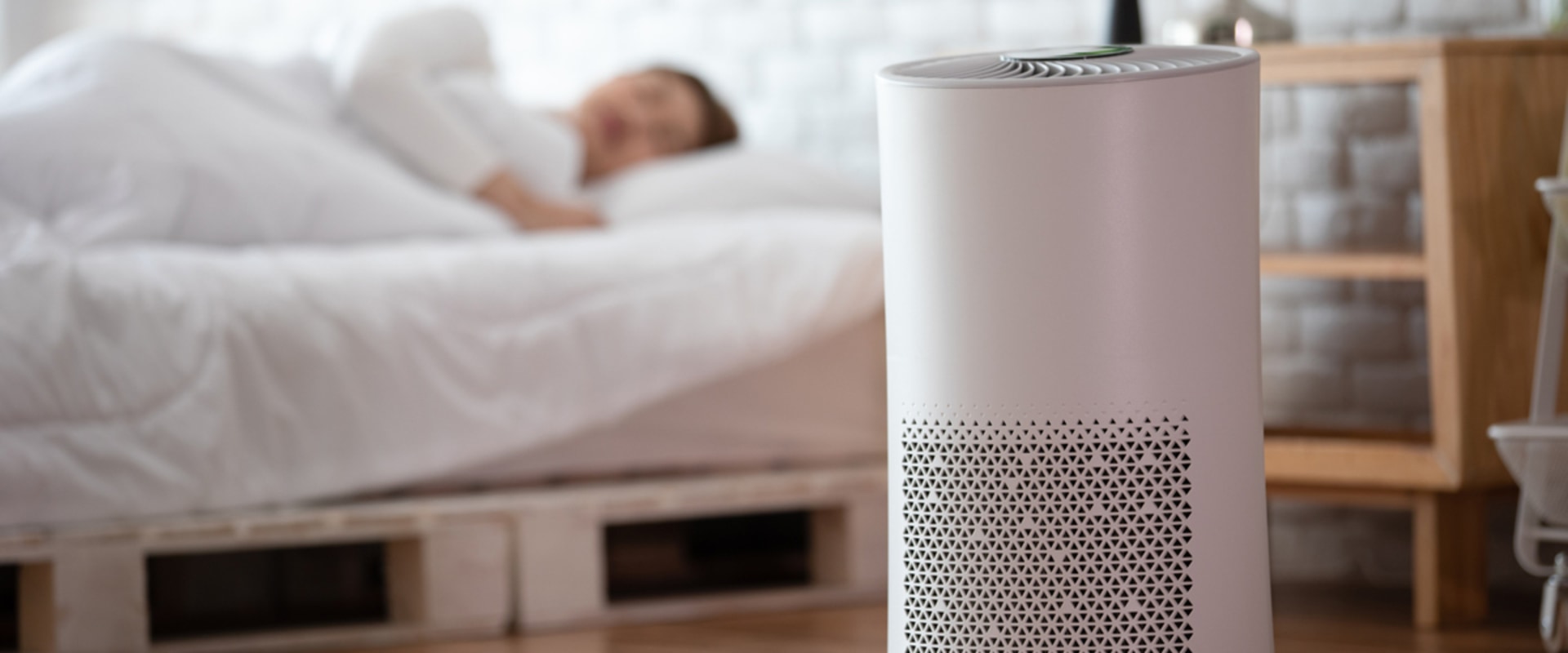
Indoor air quality (IAQ) is a critical aspect of our living and working environments that often goes unnoticed. Many people are unaware that the air inside their homes and offices can be significantly more polluted than the air outside. This is particularly concerning given that we spend approximately 90% of our time indoors. Poor indoor air quality can lead to a range of health issues, from minor irritations like headaches and fatigue to more severe conditions such as respiratory diseases and cardiovascular problems.The importance of maintaining good air quality cannot be overstated.
It directly impacts our overall well-being, productivity, and comfort. Factors such as inadequate ventilation, the presence of harmful chemicals, and biological contaminants contribute to the degradation of indoor air quality. Common pollutants include volatile organic compounds (VOCs) emitted from household products, mold spores, pet dander, dust mites, and even carbon monoxide from gas appliances.Understanding these pollutants is essential for anyone looking to improve their indoor environment. For instance, VOCs can be found in paints, cleaning supplies, and even furniture, while biological contaminants thrive in damp areas.
By recognizing these threats, individuals can take proactive steps to mitigate their effects. This is where the role of top air purifiers becomes crucial. These devices are designed to filter out harmful particles and improve the overall quality of the air we breathe.Incorporating an effective air purifier into your home or office can significantly reduce the concentration of these pollutants, leading to a healthier indoor atmosphere. As we delve deeper into this topic, we will explore various strategies for maximizing the effectiveness of your air purifier and ensuring that you enjoy clean, fresh air in your space.
Choosing the Right Air Purifier
When it comes to selecting the top air purifiers for your home or office, understanding the different types of air purifiers available is crucial.Each type has its unique features and benefits, making it essential to choose one that aligns with your specific needs.
HEPA Filters
High-Efficiency Particulate Air (HEPA) filters are among the most effective options for capturing airborne particles. These filters can trap up to 99.97% of particles as small as 0.3 microns, including dust, pollen, pet dander, and even some bacteria and viruses. When searching for the best air purifiers, look for models that feature true HEPA filters, as they are certified to meet strict standards for particle removal.Activated Carbon Filters
Activated carbon filters are designed to absorb odors and volatile organic compounds (VOCs) from the air. They work by using a porous material that traps gases and smells, making them an excellent choice for kitchens or areas with strong odors.If you are concerned about indoor air quality due to cooking fumes or chemical emissions, consider an air purifier that combines HEPA and activated carbon filters for comprehensive filtration.
UV Light Purifiers
Ultraviolet (UV) light purifiers utilize UV-C light to kill bacteria, viruses, and mold spores in the air. While they are not typically used as standalone solutions, they can be a valuable addition to HEPA or activated carbon systems. If you are particularly concerned about pathogens in your indoor environment, look for models that incorporate UV technology alongside traditional filtration methods.Key Features to Consider
- Room Size: Ensure the air purifier is suitable for the size of the room where it will be used. Check the Clean Air Delivery Rate (CADR) rating to gauge its effectiveness.
- Noise Level: Consider how loud the unit operates, especially if you plan to use it in a bedroom or office.
- Filter Replacement Costs: Factor in ongoing maintenance costs by checking how often filters need replacement and their price.
- Energy Efficiency: Look for energy-efficient models that can help reduce electricity bills while maintaining performance.
Whether you prioritize particle removal with HEPA filters or odor absorption with activated carbon, selecting a high-quality air purifier will significantly enhance your indoor air quality.
Optimal Placement of Your Air Purifier
To truly harness the power of your air purifier, understanding the optimal placement within your space is crucial. The effectiveness of an air purifier can be significantly influenced by its location, and making informed decisions can lead to cleaner air and a healthier environment.Consider Room Size
The size of the room where you place your air purifier plays a vital role in its performance. Most air purifiers are designed to handle a specific square footage. Before setting up your device, check the manufacturer's specifications to ensure it is suitable for the room size.
For larger spaces, consider using multiple units or a more powerful model to ensure comprehensive coverage.
Airflow Considerations
Airflow is another critical factor in determining where to place your air purifier. To maximize its efficiency, position the unit in an area with good circulation. Avoid placing it in corners or behind furniture, as these locations can obstruct airflow and reduce the purifier's ability to filter out pollutants effectively. Instead, aim for a central location where the air can flow freely around the unit.
Avoid Common Mistakes
- Near Sources of Pollution: Avoid placing your air purifier near sources of pollution such as fireplaces, stoves, or areas with high foot traffic.
These locations can overwhelm the unit with contaminants and hinder its performance.
- Close to Walls: Keep your air purifier at least a few feet away from walls or large furniture pieces. This distance allows for better airflow and ensures that the purified air can circulate throughout the room.
- In Closed Spaces: While it may seem logical to place an air purifier in a closed-off area, such as a closet or small room, this can limit its effectiveness. Ensure that doors are closed when using the purifier but avoid confining it to small spaces where airflow is restricted.
Utilize Vertical Space
If floor space is limited, consider placing your air purifier on a shelf or table. Just ensure that it remains elevated enough to allow for proper airflow and is not obstructed by other items.
This approach can also help distribute clean air more evenly throughout the room.By following these placement tips, you can significantly enhance the performance of your air purifier, ensuring that you enjoy cleaner and healthier indoor air quality.
Regular Maintenance for Peak Performance
To ensure your air purifier operates at its best, regular maintenance is essential. Just like any other appliance in your home, neglecting maintenance can lead to decreased efficiency and a shorter lifespan. Here are some key aspects to consider for maintaining your air purifier:Cleaning the Pre-Filter
The pre-filter is the first line of defense against larger particles such as dust and pet hair. It is crucial to clean this filter regularly to prevent it from becoming clogged.Depending on usage and environmental factors, you should aim to clean the pre-filter at least once a month. To clean it:
- Remove the pre-filter from the unit.
- Use a vacuum cleaner with a brush attachment to gently remove dust and debris.
- If necessary, wash it with mild soap and water, ensuring it is completely dry before reinstallation.
Replacing HEPA Filters
HEPA filters are designed to capture smaller particles, including allergens and pollutants. Over time, these filters become saturated with contaminants, which can hinder airflow and reduce purification effectiveness. Most manufacturers recommend replacing HEPA filters every 6 to 12 months, but this can vary based on usage:- If you have pets or live in a high-pollution area, consider replacing the filter every 6 months.
- For average use in a typical household, an annual replacement may suffice.
Monitoring Filter Indicators
Many modern air purifiers come equipped with filter change indicators that alert you when it's time for a replacement.Pay attention to these alerts as they are designed to help you maintain optimal performance. If your model does not have this feature, keep a calendar reminder based on your usage patterns.
General Maintenance Tips
In addition to cleaning and replacing filters, consider these general maintenance tips:- Keep the Surrounding Area Clean: Regularly dust and vacuum the area around your air purifier to minimize the amount of debris that can enter the unit.
- Avoid Overloading: Ensure that your air purifier is not placed in an area where it has to work harder than necessary, such as near open windows or doors.
- Check for Damage: Periodically inspect your air purifier for any signs of wear or damage. Addressing issues early can prevent more significant problems down the line.
Understanding Air Purifier Specifications
When selecting an air purifier, understanding its specifications is crucial for ensuring you choose a model that meets your needs. Key specifications to consider include the Clean Air Delivery Rate (CADR), noise levels, and energy efficiency.Clean Air Delivery Rate (CADR)
The Clean Air Delivery Rate , or CADR, is a vital metric that indicates how effectively an air purifier can remove specific pollutants from the air.CADR ratings are typically provided for three common types of pollutants: smoke, dust, and pollen. The higher the CADR number, the faster the air purifier can clean the air in a given space.
- Smoke: This rating reflects the purifier's ability to remove smoke particles, which are often smaller and more challenging to filter out.
- Dust: Dust CADR indicates how well the unit can capture larger particles, making it essential for households with pets or high dust levels.
- Pollen: A high pollen CADR is particularly beneficial for allergy sufferers during peak pollen seasons.
Noise Levels
Another important specification to consider is the noise level of the air purifier. Noise levels are typically measured in decibels (dB), and they can vary significantly between models.If you plan to use your air purifier in a bedroom or office, opting for a quieter model can enhance your comfort.
- Whisper-Quiet Operation: Many modern air purifiers offer a "sleep mode" or low-speed setting that operates at around 20-30 dB, comparable to a whisper.
- Standard Operation: Most units operate between 30-50 dB on their regular settings, which is generally acceptable for living spaces.
- Louder Models: Some high-performance purifiers may exceed 60 dB, which could be disruptive in quiet environments.
Energy Efficiency
Energy efficiency is another critical factor when choosing an air purifier. Look for models that are ENERGY STAR certified, as these units meet strict energy efficiency guidelines set by the U. S. Environmental Protection Agency.An energy-efficient air purifier not only reduces your carbon footprint but also saves you money on electricity bills over time.In summary, understanding these key specifications—CADR ratings, noise levels, and energy efficiency—will empower you to make an informed decision when selecting one of the top air purifiers. By considering these factors, you can ensure that your investment leads to cleaner air and improved indoor air quality in your home or office.
Common Misconceptions About Air Purifiers
When it comes to air purifiers, there are numerous misconceptions that can lead to confusion and unrealistic expectations. Understanding the facts about these devices is crucial for maximizing their effectiveness and ensuring you make informed decisions. Here are some of the most common myths surrounding air purifiers:- Myth 1: Air Purifiers Eliminate All Pollutants
Many people believe that air purifiers can completely eliminate all types of indoor air pollutants.While they are effective at reducing particles such as dust, pollen, and pet dander, they may not be able to remove gases or odors effectively. For instance, volatile organic compounds (VOCs) from paints or cleaning products may require specialized filters or additional ventilation.
- Myth 2: All Air Purifiers Are the Same
Not all air purifiers are created equal. Different models utilize various technologies, such as HEPA filters, activated carbon, or UV light. Each type has its strengths and weaknesses.For example, HEPA filters are excellent for capturing small particles but may not address odors effectively. Understanding the specific features of your chosen model is essential for achieving optimal results.
- Myth 3: You Only Need One Air Purifier for Your Entire Home
While having a single air purifier can improve air quality in a specific room, relying on one unit for an entire home may not be sufficient. Air circulation and the size of the space play significant roles in how effectively an air purifier can clean the air. For larger homes or open floor plans, multiple units may be necessary to ensure comprehensive coverage. - Myth 4: Air Purifiers Are Noisy
Many potential users shy away from purchasing an air purifier due to concerns about noise levels.However, modern air purifiers are designed with noise reduction technology and often operate quietly, especially on lower settings. It’s important to check product specifications and user reviews to find a model that suits your noise tolerance.
- Myth 5: You Don’t Need to Maintain Your Air Purifier
Some individuals believe that once they purchase an air purifier, it requires no further attention. In reality, regular maintenance is crucial for optimal performance. This includes cleaning pre-filters and replacing HEPA filters as recommended by the manufacturer.Neglecting maintenance can lead to decreased efficiency and even damage to the unit.
Enhancing Air Quality Beyond Purification
While air purifiers are essential for improving indoor air quality, there are several additional strategies you can implement to create a healthier living environment. These methods not only complement the use of air purifiers but also enhance overall air quality.Prioritize Ventilation
One of the simplest yet most effective ways to improve indoor air quality is through proper ventilation. Regularly opening windows and doors allows fresh outdoor air to circulate, which helps dilute indoor pollutants.Here are some tips for effective ventilation:
- Open Windows: Whenever weather permits, open windows to let in fresh air. This is particularly beneficial during times when outdoor air quality is good.
- Use Exhaust Fans: Turn on kitchen and bathroom exhaust fans while cooking or showering to remove excess moisture and odors.
- Cross-Ventilation: Create a cross-breeze by opening windows on opposite sides of your home, allowing for better airflow.
Incorporate Houseplants
Certain houseplants are known for their ability to naturally purify the air by absorbing toxins and releasing oxygen. Adding these plants to your home can significantly enhance indoor air quality. Some of the best options include:- Spider Plant: Known for its resilience, the spider plant effectively removes pollutants like formaldehyde and xylene.
- Pothos: This hardy plant thrives in low light and is excellent at filtering out indoor toxins.
- Peace Lily: Not only does it bloom beautifully, but it also helps reduce ammonia, benzene, and formaldehyde levels.
- Aloe Vera: Besides its medicinal properties, aloe vera can help clear out formaldehyde and benzene from the air.
Reduce Indoor Pollutants
To further improve indoor air quality, it’s crucial to minimize sources of pollution within your home.Here are some practical steps you can take:
- Avoid Smoking Indoors: Tobacco smoke contains numerous harmful chemicals that can linger in the air long after smoking has stopped.
- Choose Low-VOC Products: When purchasing paints, cleaning supplies, or furniture, opt for products labeled as low in volatile organic compounds (VOCs).
- Regular Cleaning: Dust and vacuum regularly to remove allergens such as pet dander, dust mites, and mold spores. Consider using a vacuum with a HEPA filter for optimal results.
Professional Testing and Consultation Options
While using a top air purifier can significantly enhance your indoor air quality, there are instances when seeking professional assistance becomes essential. Understanding when to consult an expert can help you address specific air quality concerns that your purifier alone may not resolve.When to Consult an Expert
If you notice persistent symptoms such as allergies, respiratory issues, or unusual odors in your home, it may be time to consider professional indoor air quality testing.Additionally, if you live in an area prone to environmental pollutants or have recently undergone renovations, the air quality may be compromised. In these cases, a professional can provide a comprehensive assessment of your indoor environment.
Benefits of Professional Testing
- Comprehensive Analysis: Professionals utilize advanced equipment to measure various pollutants, including volatile organic compounds (VOCs), particulate matter, and mold spores. This detailed analysis goes beyond what a standard air purifier can detect.
- Customized Solutions: Based on the findings from the testing, experts can recommend tailored solutions that complement your existing air purification system. This might include additional filtration systems or specific remediation strategies.
- Peace of Mind: Knowing the exact state of your indoor air quality can alleviate concerns about health risks associated with poor air quality.
This peace of mind is invaluable for families with young children or individuals with pre-existing health conditions.
- Ongoing Monitoring: Some professionals offer ongoing monitoring services to track changes in air quality over time. This proactive approach ensures that any emerging issues are addressed promptly.
Conclusion: Achieving Cleaner Indoor Air with Your Air Purifier
In conclusion, achieving cleaner indoor air is not just a matter of purchasing a high-quality air purifier; it involves understanding how to use it effectively. Throughout this article, we have explored several key strategies that can significantly enhance the performance of your air purifier, ensuring that you and your loved ones breathe easier and healthier air.First and foremost, selecting the right location for your air purifier is crucial.By placing it in a closed room, you allow the device to work more efficiently, trapping pollutants and allergens within a confined space. Remember to keep doors and windows closed while the purifier is in operation to maximize its effectiveness.Regular maintenance is another vital aspect of ensuring your air purifier functions optimally. This includes cleaning pre-filters monthly and replacing filters as recommended by the manufacturer. A clean filter not only improves airflow but also enhances the overall efficiency of the unit.Additionally, consider the direction of airflow.
Positioning your air purifier so that it directs clean air towards your primary living or working area can create a pocket of purified air around you, further improving your indoor environment.Choosing a trusted brand with a proven track record in producing effective air purifiers is essential. Brands that offer HEPA filters are particularly recommended due to their ability to capture even the smallest particles, providing you with cleaner air.If you find yourself questioning the effectiveness of your air purifier, professional testing can provide valuable insights into the pollutants present in your indoor environment and whether your device is adequately addressing them.Lastly, it’s important to avoid ionic air purifiers, which may emit ozone—a harmful irritant. Instead, focus on models that utilize HEPA technology for optimal results.By implementing these strategies and being proactive about your indoor air quality, you can significantly enhance the effectiveness of your air purifier. Cleaner air leads to better health outcomes, making it an investment worth prioritizing for any home or office.