Quick Answers
Acetone disposal
Dispose of acetone by reusing it only if it remains clear, or by taking it to an approved household hazardous waste (HHW) facility. Once acetone has been used—especially for paint removal—it should be treated as hazardous waste. Never pour it down drains, onto soil, or into regular trash.
Top Takeaways
Used acetone isn’t the same as fresh acetone.
Never pour it down drains or outdoors.
Store it sealed, labeled, and ventilated.
Reuse only if it stays clear.
Use approved hazardous waste disposal.
Why Used Acetone Requires Special Disposal After Paint Removal
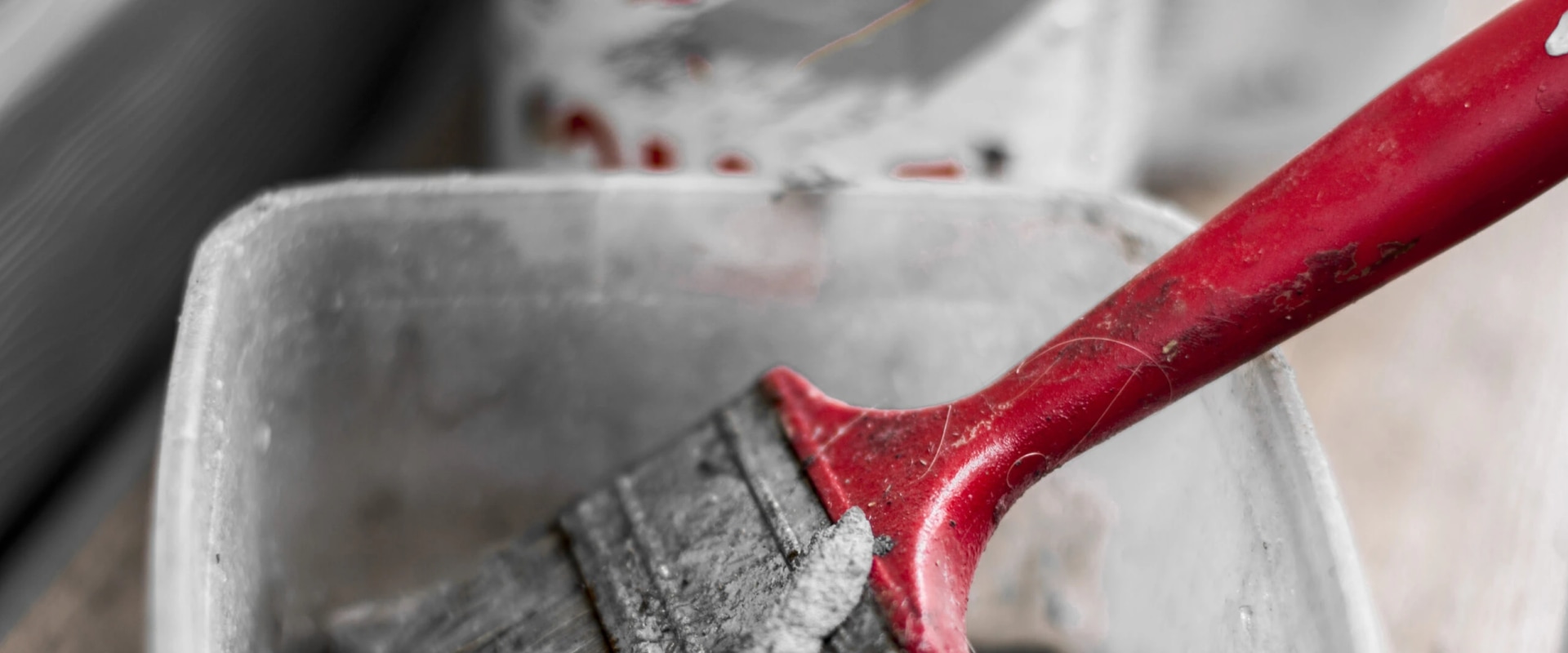
Once acetone has been used to remove paint, it changes. Paint pigments, resins, and dissolved solids contaminate the solvent, making disposal more complex than unused acetone. From real cleanout jobs, this is where most mistakes happen—people treat used acetone the same as fresh product, even though its disposal risk is higher.
Understanding this difference is key to disposing of acetone safely after paint removal.
Determine Whether the Acetone Can Be Reused
In some cases, used acetone can still be reused. If paint residue has settled and the liquid remains mostly clear, the acetone may be filtered and reused for additional stripping work. Reuse reduces waste and delays disposal, which is often the most eco-friendly option.
If the acetone is heavily discolored or thick with paint residue, it should no longer be reused.
Never Pour Used Acetone Down Drains or Outdoors
Paint-laden acetone should never be poured into sinks, toilets, storm drains, or onto the ground. Plumbing systems and wastewater treatment facilities are not designed to handle solvents mixed with paint solids. We frequently see this mistake lead to clogs, odors, and environmental violations long after the project is finished.
This applies even to small amounts.
Store Used Acetone Safely Until Disposal
Before disposal, the store used acetone in a sealed, labeled, chemical-resistant container. Keep it in a cool, well-ventilated area away from heat or ignition sources. Short-term storage is safest—used acetone should not be held indefinitely once paint removal is complete.
Proper storage keeps the acetone stable until it can be disposed of correctly.
Use Household Hazardous Waste or Professional Disposal
The safest way to dispose of used acetone after paint removal is through a household hazardous waste (HHW) facility or a professional disposal service. These programs are designed to handle contaminated solvents and prevent paint chemicals from entering landfills or water systems.
During renovations and cleanouts, this is the disposal route we recommend most often.
Finish the Job Without Creating a New Problem
Paint removal isn’t complete until the waste is handled responsibly. Treating used acetone as hazardous waste protects your plumbing, indoor air quality, and the environment. When disposal is done correctly, often with support from a valet trash service that coordinates proper handling, the project truly ends cleanly—without lingering risks.
“In our experience, used acetone creates more disposal issues than almost any other DIY chemical. Paint residue changes how it behaves, which is why we always recommend hazardous waste disposal instead of quick fixes.”
Essential Resources
When our teams are clearing out acetone after paint jobs and renovations, we point customers to trusted resources that back up what we practice in the field: legal compliance, environmental safety, and practical handling. These are the go-to references that cut through confusion and help you dispose of acetone responsibly.
EPA Hazardous Waste Guidance — Get the Federal Rules Right
URL: https://www.epa.gov/regulatory-information-topic/regulatory-and-guidance-information-topic-waste
This EPA page explains how solvents like acetone are classified and regulated at the national level. It’s the first stop for understanding why acetone can’t just be poured down a drain or thrown in the trash.
State Hazardous Waste Requirements — Know What Applies Near You
URL: https://floridadep.gov/waste/permitting-compliance-assistance/content/summary-hazardous-waste-regulations
State rules often build on federal requirements. This Florida DEP summary helps homeowners and contractors understand local waste disposal standards that apply to acetone and other chemicals.
Local Drop-Off Programs — Find Safe, Nearby Disposal Options
URL: https://www.miami.gov/My-Government/Departments/Solid-Waste/Dispose-of-Hazardous-Materials-Chemicals
In many areas, municipal programs accept household chemicals like acetone for proper handling. This guide shows where residents can take these materials instead of risking improper disposal.
County Hazardous Waste Standards — Broader Disposal Expectations
URL: https://www.miamidade.gov/global/environment/code-compliance/hazardous-waste.page
For both residents and businesses, county hazardous waste pages explain broader disposal expectations. This helps you see why solvents need approved handling—especially when mixed with paint residues.
Practical Disposal Methods — Breakdown of Safe Options
URL: https://chemcafe.net/chemistry/how-to-dispose-of-acetone-5826/
This resource lays out real, practical acetone disposal methods and highlights what not to do. It’s the kind of plain-spoken guidance we echo when helping customers sort chemicals at cleanout sites.
Environmentally Responsible Disposal — Minimize Your Impact
URL: https://www.ethicalshift.com/recycle/how-to-dispose-of-acetone-safely-and-responsibly
Focuses on eco-friendly strategies like reuse, proper containment, and recycling pathways. These recommendations align with how we approach chemical waste: thoughtful, practical, and environment-minded.
Hazardous Waste Context — Where Acetone Fits in the Big Picture
URL: https://en.wikipedia.org/wiki/Hazardous_waste_in_the_United_States
This overview puts acetone into context with other household hazardous wastes. Understanding that bigger picture helps you treat solvent disposal with the seriousness it deserves.
These resources support a responsible approach to acetone disposal after paint jobs by emphasizing legal compliance, environmental safety, and practical handling, the same principles followed during professional junk removal when solvents and renovation waste must be managed without creating plumbing, air quality, or environmental risks.
Supporting Statistics
Solvent recycling is already a standard solution.
EPA reports 1.5+ million tons of hazardous waste are recycled each year, including solvents.
Used acetone is often discarded simply due to lack of awareness.
Source: https://www.epa.gov/hw/hazardous-waste-recyclingIndoor acetone exposure is much higher than outdoors.
ATSDR data shows indoor acetone levels can be 5× higher than outdoor levels.
This commonly happens when used acetone sits after paint removal.
Source: https://www.atsdr.cdc.gov/toxprofiles/tp21-c5.pdfExposure risk is higher because people are indoors most of the time.
Americans spend ~90% of their time indoors (EPA).
Indoor air can be 2–5× more polluted than outdoor air.
Source: https://www.epa.gov/report-environment/indoor-air-qualityNonprofit research confirms the same pattern.
The American Lung Association reports indoor air is often far more polluted than outdoor air.
Poor chemical storage is a common cause.
Source: https://www.lung.org/clean-air/indoor-air
These statistics show that indoor acetone exposure can rise quickly after paint removal, and while air purifiers may help reduce airborne contaminants, they cannot fully offset the risks created by improper acetone storage or disposal, making safe handling and removal essential.
Final Thought & Opinion
Disposing of acetone after paint removal is part of finishing the job—not an afterthought.
From cleanout experience, most issues start after the project ends.
What we consistently see:
Used acetone left without a plan
Paint residue changing how acetone behaves
Odors and air-quality issues building over time
Our perspective:
Once acetone removes paint, treat it as hazardous waste
Seal and label it immediately
Remove it through approved disposal channels
When disposal is planned early, risks disappear.
That’s how a paint removal job truly ends cleanly.

FAQ on Acetone Disposal
Q: What’s the safest way to dispose of acetone?
A:
Use an approved HHW facility or professional service.
Avoid drains, soil, and regular trash.
These shortcuts cause most long-term issues we see.
Q: Does paint-contaminated acetone need special handling?
A:
Yes.
Once acetone dissolves paint, treat it as hazardous waste.
Odor, residue, and risk increase after use.
Q: Can acetone be reused instead of disposed of?
A:
Yes, if it stays mostly clear.
Filter and reuse when possible.
Dark or thick acetone should be disposed of.
Q: Is it safe to store acetone before disposal?
A:
Yes, short term only.
Use sealed, labeled containers.
Store in cool, ventilated areas.
Q: What if I have a large amount of acetone left?
A:
Don’t handle it casually.
Use professional disposal services.
Ensures safety and compliance.