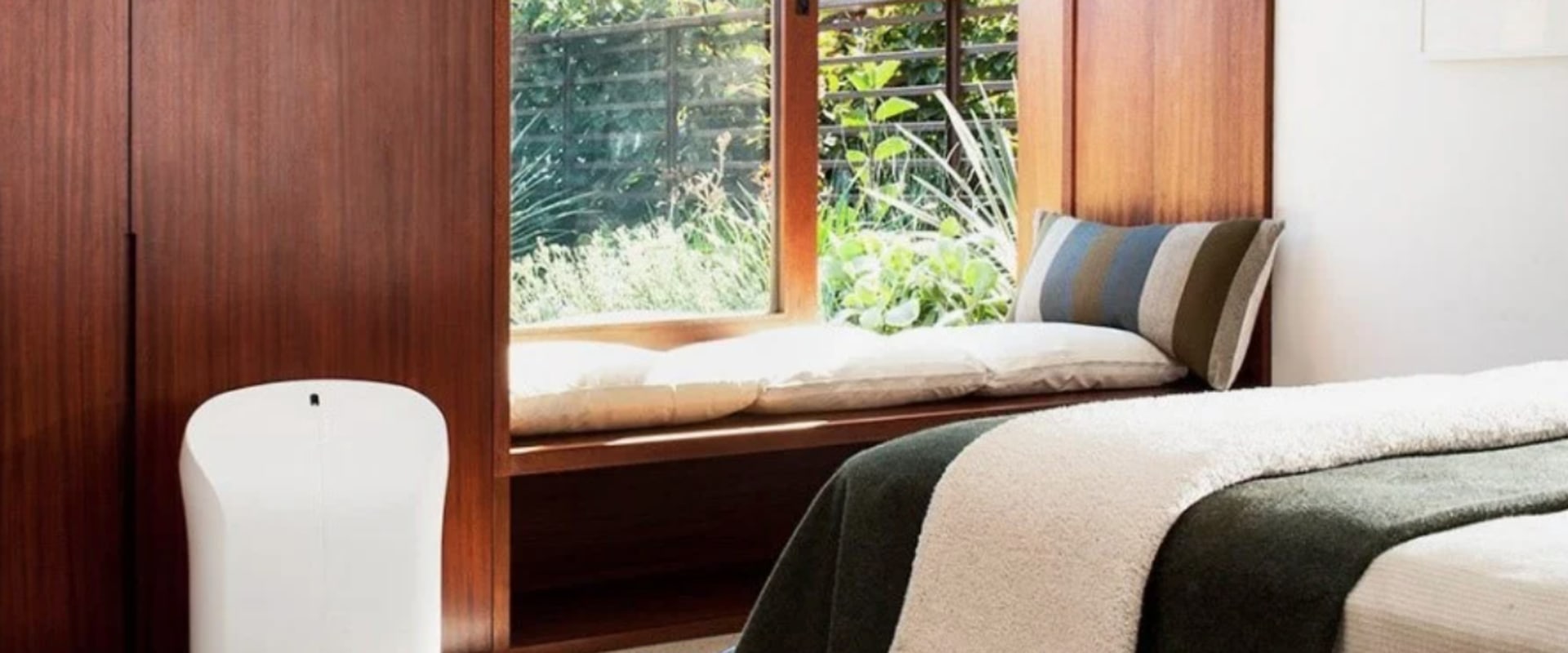
Air purifiers have become essential devices in modern homes, especially as awareness of indoor air quality continues to grow. These innovative machines are designed to remove contaminants from the air, including dust, pollen, pet dander, smoke, and even harmful bacteria and viruses. By filtering out these pollutants, air purifiers help create a healthier living environment, which is particularly beneficial for individuals with allergies, asthma, or other respiratory conditions.Understanding how air purifiers work is crucial for maximizing their effectiveness. Most air purifiers utilize a combination of filters and technologies to cleanse the air.
The most common type is the HEPA filter, which captures 99.97% of particles that are 0.3 microns in size. Some models also incorporate activated carbon filters to absorb odors and volatile organic compounds (VOCs). Additionally, advanced units may use UV light or ionization to neutralize airborne pathogens. This multi-faceted approach ensures that the air you breathe is not only cleaner but also safer.The benefits of using air purifiers extend beyond mere cleanliness.
Improved air quality can lead to better sleep, enhanced concentration, and overall well-being. Many users report a noticeable reduction in allergy symptoms and respiratory issues after incorporating an air purifier into their daily lives. Furthermore, with the rise of pollution and allergens in urban environments, having a reliable air purifier can provide peace of mind, knowing that you are taking proactive steps to protect your health.As we delve deeper into the topic of optimizing the placement of your air purifier for maximum effectiveness, it’s essential to keep in mind that understanding its functionality will guide you in making informed decisions about where to position it within your home. The right placement can significantly enhance its performance and ensure that you reap all the health benefits it has to offer.
Factors Influencing Air Purifier Placement
When it comes to optimizing the effectiveness of your air purifier, several key factors play a significant role in determining the best placement.Understanding these factors can help you maximize the performance of top air purifiers in your home.
Room Size
The size of the room is one of the most critical elements to consider when placing an air purifier. Larger rooms may require more powerful units or multiple purifiers to ensure adequate air circulation and purification. For instance, if you have a spacious living area, a compact air purifier may struggle to clean the air effectively. In such cases, opting for a model designed for larger spaces or strategically placing multiple units can enhance overall air quality.Furniture Arrangement
The arrangement of furniture in a room can significantly impact airflow and, consequently, the performance of your air purifier.It is essential to avoid placing the unit near large pieces of furniture, such as sofas or bookshelves, which can obstruct airflow. Ideally, the air purifier should be positioned in an open area where it can draw in contaminated air from all directions. If your room has a lot of furniture, consider placing the purifier on a table or shelf that allows for unobstructed airflow.
Airflow Dynamics
Understanding how air moves within your space is crucial for effective air purification. Airflow dynamics can be influenced by various factors, including ventilation systems, windows, and doors.For example, if you frequently open windows for fresh air, consider placing your air purifier near these openings to capture incoming pollutants. Additionally, in rooms with ceiling fans or HVAC systems, positioning the purifier in line with these airflow sources can enhance its efficiency.In summary, optimizing the placement of your air purifier involves careful consideration of room size, furniture arrangement, and airflow dynamics. By taking these factors into account, you can ensure that your top air purifiers operate at peak performance and effectively improve indoor air quality.
Ideal Locations for Air Purifiers in Different Room Types
When it comes to optimizing the placement of your air purifier, understanding the unique characteristics of each room in your home is essential. Different spaces have varying air quality challenges, and strategically positioning your air purifier can significantly enhance its effectiveness.Living Room Placement
The living room is often the heart of the home, where family gathers and activities take place.To maximize the performance of your air purifier in this space, consider the following:
- Central Location: Place the air purifier in a central location to allow for optimal airflow. This ensures that it can effectively circulate and purify the air throughout the entire room.
- Avoid Obstacles: Keep the unit away from large furniture pieces like sofas or bookshelves that may obstruct airflow. Ideally, it should be at least 3-5 feet away from walls and furniture.
- Near Contaminants: If you have pets or smoke in the living room, position the purifier closer to these sources of pollution for better results.
Bedroom Placement
Your bedroom is a sanctuary for rest and relaxation, making clean air vital for a good night's sleep. Here are some tips for placing an air purifier in your bedroom:- Nightstand or Dresser: A common choice is to place the air purifier on a nightstand or dresser, ensuring it is at least 3 feet off the ground to maximize its efficiency.
- Avoid Corners: Avoid placing it in corners or behind curtains, as this can hinder airflow and reduce its effectiveness.
- Close to Bed: If allergies or respiratory issues are a concern, consider placing the unit closer to your bed to ensure you breathe cleaner air while you sleep.
Kitchen Placement
The kitchen can be a hotspot for odors and airborne particles from cooking.To effectively purify the air in this area, follow these guidelines:
- Near Cooking Areas: Position the air purifier near the stove or cooking area to capture smoke and odors as they arise.
- Avoid Moisture: Keep it away from sinks or dishwashers where moisture levels are high, as this can affect its performance.
- Countertop Space: If possible, place it on a countertop where it can easily circulate air without being obstructed by other kitchen appliances.
Common Mistakes to Avoid When Placing Air Purifiers
When it comes to maximizing the effectiveness of your air purifier, avoiding common placement mistakes is essential. Many users unknowingly hinder their device's performance by making simple errors. Here are some of the most frequent pitfalls to watch out for:- Placing the Purifier in a Corner: One of the biggest mistakes is positioning the air purifier in a corner of the room.
This restricts airflow and limits its ability to circulate clean air effectively. Instead, aim for a more central location where air can flow freely.
- Blocking Airflow: Ensure that your air purifier has ample space around it. Avoid placing it behind furniture, curtains, or other obstructions that can impede airflow. Ideally, there should be at least 2-3 feet of clearance on all sides.
- Ignoring Room Size: Using an air purifier that is not suited for the size of your room can lead to inadequate purification.
Always check the manufacturer's specifications to ensure that your chosen model is appropriate for the space you intend to use it in.
- Neglecting Contaminant Sources: If you have specific sources of pollution, such as pet areas or smoking zones, placing your air purifier too far away from these sources can reduce its effectiveness. Positioning it closer to these areas will help target and eliminate pollutants more efficiently.
- Using It in High-Traffic Areas: While it may seem logical to place an air purifier in busy areas, such as hallways or living rooms, this can lead to frequent disturbances and reduced performance. Instead, consider running it in quieter spaces or during times when foot traffic is minimal.
- Overlooking Maintenance Needs: Some users forget that placement can affect maintenance. If your air purifier is hard to reach due to its location, you may neglect regular filter changes and cleaning, which are crucial for optimal performance.
By being mindful of where and how you place your device, you can ensure that you are getting the most out of your investment in one of the top air purifiers.
The Importance of Height and Surface for Air Purifier Placement
When it comes to maximizing the effectiveness of your air purifier, the height and surface on which it is placed play a crucial role. Understanding these factors can significantly enhance the air purification process in your home.Height Recommendations
Experts recommend positioning your air purifier at a height of approximately 3 to 5 feet off the ground. This elevation allows the device to effectively capture airborne particles, as most contaminants tend to float at this level. Placing the purifier too low may hinder its ability to draw in polluted air, while positioning it too high can lead to inefficient filtration.For optimal performance, consider placing your air purifier on a sturdy table or shelf that meets this height requirement.
If you have limited space, wall-mounted options like the Aura Air or Rabbit Air Minus A3 can be excellent alternatives, providing effective purification without occupying valuable floor space.
Surface Types for Air Purifiers
The surface on which your air purifier rests is equally important. A solid, flat surface is ideal as it ensures stability and allows for proper airflow around the unit. Avoid placing your air purifier on soft surfaces such as carpets or beds, as these can obstruct airflow and reduce its efficiency.Additionally, ensure that there is ample space around the air purifier—at least 12 inches of clearance on all sides. This open space facilitates unobstructed airflow, allowing the device to pull in contaminated air from various angles and distribute purified air effectively throughout the room.In summary, adhering to recommended height guidelines and selecting appropriate surfaces for your air purifier can significantly enhance its performance.
By optimizing these factors, you ensure that your investment in one of the top air purifiers yields maximum benefits for your indoor air quality.
Using Multiple Air Purifiers: Strategies for Larger Spaces
When it comes to purifying the air in larger spaces, relying on a single air purifier may not be sufficient. Utilizing multiple air purifiers can significantly enhance air quality by ensuring comprehensive coverage throughout the area. Here are some effective strategies for placing multiple air purifiers in larger rooms.1.Assess the Room Layout
Before positioning your air purifiers, take a moment to evaluate the layout of the room. Identify areas with potential sources of pollution, such as:- Cooking areas
- Pet zones
- High-traffic pathways
- Rooms with poor ventilation
2.Distribute Air Purifiers Evenly
For optimal performance, distribute your air purifiers evenly throughout the space.This ensures that each unit can effectively circulate and filter the air in its vicinity. A good rule of thumb is to place one purifier for every 500 square feet of space. If your room exceeds this size, consider adding additional units to cover all corners and areas.
3.Focus on High-Pollution Areas
If certain areas of the room are more prone to pollutants, such as near a fireplace or a litter box, position an air purifier close to these sources. This targeted approach allows the purifier to capture contaminants before they disperse throughout the room.4.Maintain Airflow
Ensure that each air purifier has adequate airflow by keeping them away from walls and large furniture that could obstruct their performance.Ideally, place them at least 2-3 feet away from any obstructions to allow for optimal air circulation.
5.Consider Vertical Space
If floor space is limited, consider utilizing vertical space by placing smaller units on shelves or elevated surfaces. However, ensure that these units are still within reach for maintenance and filter changes.6.Monitor Air Quality
To gauge the effectiveness of your multiple air purifiers, consider investing in an indoor air quality monitor. This device can help you track pollutant levels and adjust the placement or number of purifiers as needed.By implementing these strategies for using multiple air purifiers in larger spaces, you can create a healthier indoor environment that effectively reduces allergens, odors, and other airborne pollutants.Monitoring Air Quality: Tools and Techniques
Monitoring indoor air quality is essential for ensuring that your environment remains healthy and safe. With the increasing awareness of air pollution and its effects on health, utilizing the right tools and techniques can significantly enhance your understanding of the air you breathe.One of the most effective ways to monitor air quality is through the use of air quality meters .
Air quality meters
are devices designed to measure various pollutants in the air, including particulate matter (PM), volatile organic compounds (VOCs), carbon dioxide (CO2), and humidity levels. These meters provide real-time data, allowing you to assess the effectiveness of your air purifier and make necessary adjustments to improve your indoor air quality.
Types of Air Quality Meters
- Portable Air Quality Monitors: These compact devices can be easily moved from room to room, providing flexibility in monitoring different areas of your home.
- Smart Air Quality Sensors: Many modern sensors connect to your smartphone or smart home system, offering detailed insights and alerts about your indoor air quality.
- Stationary Air Quality Monitors: Ideal for continuous monitoring, these devices are typically placed in a fixed location and provide ongoing data about air quality trends.
- Regular Maintenance: Ensure that your air purifier is well-maintained by regularly replacing filters as recommended by the manufacturer. This will help maintain its efficiency in removing pollutants.
- Ventilation: Increase airflow in your home by opening windows or using exhaust fans. Proper ventilation helps dilute indoor pollutants and brings in fresh outdoor air.
- Houseplants: Certain houseplants can naturally filter toxins from the air.
Incorporating plants like spider plants or peace lilies can enhance your indoor environment.
Frequently Asked Questions About Air Purifier Placement
When it comes to optimizing the placement of your air purifier, many users have questions that can significantly impact their experience and the effectiveness of the device. Below are some frequently asked questions that address common concerns and troubleshooting tips.Where is the best place to put my air purifier?
The ideal location for your air purifier is in a central area of the room, ideally elevated on a table or stand. This allows for optimal airflow and ensures that the device can effectively circulate clean air throughout the space.Avoid placing it in corners or behind furniture, as these locations can obstruct airflow and reduce its efficiency.
Can I place my air purifier on the floor?
While it is possible to place an air purifier on the floor, it is generally less effective than positioning it at a height of 3-5 feet. This height allows the purifier to capture airborne particles more efficiently. If floor space is limited, consider using a small table or shelf to elevate the unit.Should I run my air purifier continuously?
For maximum effectiveness, it is recommended to run your air purifier continuously, especially in areas with high levels of pollutants or allergens. Many modern units are designed to operate quietly and efficiently, making them suitable for 24/7 use.However, if energy consumption is a concern, you can run it during peak pollution times or when you are at home.
What should I do if my air purifier isn’t working effectively?
- Check the filters: Ensure that the filters are clean and replaced according to the manufacturer's recommendations. Clogged filters can significantly reduce performance.
- Reassess placement: If your air purifier is placed near walls or furniture, consider relocating it to a more open area to improve airflow.
- Inspect for obstructions: Make sure there are no objects blocking the intake or output vents of the unit.
How often should I change the filters in my air purifier?
The frequency of filter changes depends on usage and environmental factors. Generally, HEPA filters should be replaced every 6-12 months, while pre-filters may need changing every 1-3 months. Always refer to your specific model's guidelines for optimal maintenance.By addressing these common questions and concerns, you can enhance your understanding of how to effectively use your air purifier and ensure that it operates at peak performance.Conclusion: Key Takeaways for Optimal Air Purifier Placement
In conclusion, the placement of your air purifier is a critical factor that can significantly influence its performance and effectiveness.By following the guidelines outlined in this article, you can ensure that you are getting the most out of your investment in top air purifiers.
Here are the key takeaways for optimal air purifier placement:
- Height Matters: Aim to position your air purifier 3-5 feet off the ground. This height allows it to effectively capture airborne particles and contaminants that tend to circulate at this level.
- Avoid Obstacles: Ensure that there is ample space around your air purifier. Avoid placing it in corners or near large furniture that could obstruct airflow. A clear path for air circulation is essential for maximum efficiency.
- Central Location: Whenever possible, place your air purifier in a central location within the room.
This positioning allows for better distribution of purified air throughout the space.
- Proximity to Pollutants: If you are targeting specific sources of pollution, such as smoke or pet odors, position your air purifier close to these sources for optimal results.
- Consider Room Layout: In open-concept spaces, air can flow more freely, making it easier for larger units to purify the air effectively. In contrast, smaller rooms may require more strategic placement to ensure all areas are covered.
- Monitor Performance: To gauge the effectiveness of your air purifier, consider using an indoor air quality meter. This tool can help you understand how well your unit is performing and whether adjustments to its placement are necessary.
With the right placement and care, your top air purifiers can significantly improve indoor air quality and contribute to a cleaner, fresher home.