In an age where indoor air quality is increasingly recognized as a critical component of overall health, air purifiers have emerged as popular devices designed to enhance the air we breathe. These machines serve a vital purpose: they filter out harmful pollutants, allergens, and other airborne particles, creating a cleaner and healthier living environment. But what exactly are air purifiers, and how do they function? Understanding these devices is essential for anyone considering their use.At their core, air purifiers are appliances that utilize various filtration technologies to remove contaminants from the air. Most commonly, they employ HEPA (High-Efficiency Particulate Air) filters, which are capable of trapping particles as small as 0.3 microns with an efficiency of 99.97%.
This means that allergens such as pollen, dust mites, pet dander, and even some bacteria can be effectively captured and removed from your indoor air. Other types of filters may include activated carbon filters that absorb odors and volatile organic compounds (VOCs), or UV light systems that kill airborne pathogens.The benefits of using air purifiers extend beyond mere cleanliness; they can significantly improve respiratory health, reduce allergy symptoms, and even enhance sleep quality. For individuals suffering from asthma or allergies, the presence of an air purifier can mean the difference between a comfortable home environment and one filled with irritants. Moreover, in urban areas where pollution levels are high, these devices can act as a barrier against outdoor contaminants that infiltrate our homes.As we delve deeper into the world of air purifiers, it’s crucial to separate fact from fiction.
While these devices offer numerous advantages, they also come with limitations that must be understood to maximize their effectiveness. In the following sections, we will explore common myths surrounding air purifiers and clarify their true capabilities in maintaining indoor air quality.
Common Myths About Air Purifiers
When it comes to air purifiers, numerous myths and misconceptions can cloud the understanding of their true capabilities. Addressing these myths is essential for making informed decisions about indoor air quality. Here are some of the most common misconceptions:- Myth 1: Air purifiers eliminate all pollutants. Many people believe that air purifiers can remove every type of pollutant from the air.
In reality, while high-quality models, especially those with HEPA filters, can effectively capture a significant percentage of airborne particles like dust, pollen, and pet dander, they are not designed to eliminate gases or odors. For instance, volatile organic compounds (VOCs) and certain chemical pollutants may require specialized filters or additional technologies such as activated carbon.
- Myth 2: All air purifiers produce ozone. There is a common belief that all air purifiers generate ozone, which can be harmful to health. However, this is not true for all models. While some older or cheaper ionizing purifiers do emit ozone as a byproduct, many modern air purifiers are designed to operate without producing ozone.
When shopping for an air purifier, look for models that are certified by organizations like the Asthma and Allergy Foundation of America to ensure they do not emit harmful levels of ozone.
- Myth 3: Air purifiers are effective against viruses. Another prevalent myth is that air purifiers can effectively eliminate viruses from the air. While certain high-efficiency particulate air (HEPA) filters can capture some viruses, they do not kill them. The effectiveness of an air purifier in reducing viral load depends on various factors, including the size of the virus and the airflow rate of the device. For comprehensive protection against airborne viruses, it is advisable to combine air purification with other preventive measures such as vaccination and good hygiene practices.
- Myth 4: You only need one air purifier for your entire home. Many consumers think that a single air purifier can adequately clean the air in their entire home.
However, the effectiveness of an air purifier is often limited to a specific room size. To achieve optimal results, it may be necessary to use multiple units in different rooms or choose a model designed for larger spaces.
Types of Air Purifiers and Their Effectiveness
When it comes to improving indoor air quality, understanding the different types of air purifiers available is crucial. Each type operates on distinct principles and is designed to target specific pollutants.Here’s a closer look at some of the most common types:
HEPA Filters
High-Efficiency Particulate Air (HEPA) filters are among the most popular choices for air purification. These filters are designed to capture at least 99.97% of particles that are 0.3 microns in diameter, including dust, pollen, and pet dander. The effectiveness of HEPA filters lies in their dense fiber structure, which traps particles as air passes through.HEPA filters are particularly beneficial for individuals with allergies or asthma, as they significantly reduce airborne allergens. However, it’s important to note that while HEPA filters excel at capturing particulate matter, they do not eliminate gases or odors.UV Air Purifiers
UV air purifiers utilize ultraviolet light to kill or deactivate microorganisms such as bacteria, viruses, and mold spores.This technology is particularly effective in environments where biological contaminants are a concern, such as hospitals or homes with immunocompromised individuals.While UV purifiers can effectively reduce microbial populations, they should be used in conjunction with other filtration methods, as they do not remove particulate matter or chemical pollutants from the air.
Ionizers
Ionizers, or ionizing air purifiers, work by emitting negatively charged ions into the air. These ions attach to positively charged particles like dust and allergens, causing them to clump together and fall out of the air or stick to surfaces. This process can help reduce airborne particles but may also produce ozone as a byproduct, which can be harmful to health.While ionizers can be effective in reducing certain pollutants, their potential to generate ozone raises concerns about safety. Therefore, it’s essential to choose models that minimize ozone production and comply with safety standards.In summary, selecting the right type of air purifier depends on your specific needs and the pollutants you wish to target.HEPA filters are excellent for particulate matter, UV purifiers excel at eliminating biological contaminants, and ionizers can help with airborne particles but require careful consideration due to ozone concerns. Understanding these differences will empower you to make an informed decision when choosing from the top air purifiers.
Limitations of Air Purifiers
While air purifiers can significantly improve indoor air quality, it is crucial to recognize their limitations. Understanding these constraints helps set realistic expectations for their effectiveness and ensures that users can make informed decisions about their air quality management.One of the primary limitations of air purifiers is their inability to remove certain types of pollutants. For instance, while HEPA filters are excellent at capturing particulate matter such as dust, pollen, and pet dander, they are less effective against gases and odors.Volatile organic compounds (VOCs), which are emitted from household products like paints, cleaners, and furniture, often require specialized filters or additional technologies such as activated carbon to mitigate their presence in the air.Moreover, air purifiers typically have a limited coverage area. Many models are designed for specific room sizes, and using them in larger spaces may result in diminished performance. If an air purifier is not appropriately sized for the room it is placed in, it may struggle to circulate and filter the air effectively. This limitation underscores the importance of selecting a unit that matches the dimensions of your space.Another critical aspect to consider is the maintenance of air purifiers.
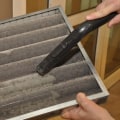
Regular filter changes are essential for optimal performance; neglecting this can lead to reduced efficiency and even the release of trapped pollutants back into the air. Users should be aware of the manufacturer's recommendations regarding filter replacement intervals and ensure they adhere to these guidelines.Additionally, air purifiers may not be effective in situations where there is a high influx of outdoor pollutants. For example, during wildfires or heavy pollution days, outdoor air quality can deteriorate rapidly, overwhelming even the best air purifiers. In such cases, sealing windows and doors and using an air purifier in conjunction with other strategies—like reducing indoor sources of pollution—can be more effective.In summary, while air purifiers can play a vital role in enhancing indoor air quality, they are not a panacea.
Their limitations include challenges in removing specific pollutants, size constraints for effective operation, maintenance requirements, and reduced efficacy during high outdoor pollution events. By understanding these drawbacks, users can better integrate air purifiers into a comprehensive approach to maintaining healthy indoor environments.
Air Quality and Health: What You Need to Know
Indoor air quality (IAQ) is a critical aspect of our living environments that directly impacts our health and well-being. Poor air quality can lead to a range of health issues, from minor irritations to serious respiratory conditions. Understanding the connection between indoor air quality and health is essential for anyone looking to create a healthier home.Common sources of indoor air pollution include:- Volatile Organic Compounds (VOCs): These are emitted from various household products such as paints, cleaning agents, and furniture.
Prolonged exposure can lead to headaches, dizziness, and even long-term health effects.
- Particulate Matter: Dust, pollen, pet dander, and mold spores can accumulate in indoor spaces. These particles can trigger allergies and asthma attacks.
- Biological Contaminants: Bacteria, viruses, and mold thrive in damp environments. They can cause infections and exacerbate existing health conditions.
- Carbon Dioxide (CO2): High levels of CO2 can result from inadequate ventilation, leading to fatigue and decreased cognitive function.
This is particularly concerning for vulnerable populations such as children, the elderly, and individuals with pre-existing health conditions.To improve indoor air quality effectively, consider the following strategies:
- Ventilation: Ensure proper airflow in your home by opening windows when weather permits and using exhaust fans in kitchens and bathrooms.
- Source Control: Identify and eliminate sources of pollution. Opt for low-VOC products and maintain cleanliness to reduce dust accumulation.
- Humidity Control: Keep indoor humidity levels between 30% and 50% to prevent mold growth. Dehumidifiers can be beneficial in damp areas.
- Air Purifiers: Invest in top air purifiers equipped with HEPA filters to capture allergens and pollutants effectively. While they are not a standalone solution, they can significantly enhance your overall air quality when used alongside other strategies.
By understanding the sources of pollution and implementing effective strategies—including the use of high-quality air purifiers—you can create a safer and healthier living environment for you and your family.
Choosing the Right Air Purifier for Your Needs
When it comes to selecting the top air purifiers for your home, understanding your specific needs and the types of pollutants you want to address is crucial. Here are some key factors to consider:Identify Your Primary Concerns
Before diving into the features of various air purifiers, take a moment to assess what you want to achieve. Are you primarily concerned about allergens, smoke, pet dander, or volatile organic compounds (VOCs)? Identifying your main concerns will help narrow down your options.Look for HEPA Filters
If allergies are a significant issue for you, consider air purifiers equipped with High-Efficiency Particulate Air (HEPA) filters. These filters are designed to capture at least 99.97% of particles that are 0.3 microns in size, including pollen, dust mites, and pet dander.This makes them particularly effective for individuals suffering from allergies or asthma.
Consider the Size of the Room
The effectiveness of an air purifier is also dependent on its capacity to handle the size of the room where it will be used. Check the CADR (Clean Air Delivery Rate) rating, which indicates how quickly an air purifier can clean the air in a specific size room. For larger spaces, you may need a more powerful unit or multiple purifiers.Noise Levels
Noise can be a significant factor, especially if you plan to use the air purifier in a bedroom or office. Look for models that offer quiet operation or have a "sleep mode" feature that reduces noise levels during nighttime use.Energy Efficiency
Since air purifiers often run continuously, energy efficiency is an important consideration.Look for units that have an Energy Star certification , which indicates they meet energy efficiency guidelines set by the U. S. Environmental Protection Agency.
Additional Features
- Smart Technology: Some modern air purifiers come with smart features that allow you to control them via smartphone apps or integrate them with home automation systems.
- Filter Replacement Indicators: This feature alerts you when it’s time to change the filter, ensuring optimal performance.
- Multiple Filtration Stages: Consider models that offer pre-filters and activated carbon filters in addition to HEPA filters for enhanced pollutant removal.
Certifications and Reviews
Finally, always check for certifications from reputable organizations such as the Asthma and Allergy Foundation of America. Reading customer reviews can also provide insights into real-world performance and reliability.Selecting the right air purifier involves careful consideration of your specific needs and preferences.By focusing on these essential features and certifications, you can make an informed decision that enhances your indoor air quality effectively.
Frequently Asked Questions About Air Purifiers
As air purifiers gain popularity, many people have questions about their effectiveness, safety, and overall functionality. Below are some of the most frequently asked questions regarding air purifiers, aimed at providing clarity and addressing common concerns.Do air purifiers really work?
Yes, air purifiers can be effective in improving indoor air quality. They are designed to remove various pollutants from the air, including dust, pollen, pet dander, smoke, and even some bacteria and viruses. However, their effectiveness can vary based on the type of filter used and the specific pollutants present in your environment.For instance, HEPA filters are particularly good at capturing small particles, while activated carbon filters excel at removing odors and gases.
What types of pollutants can air purifiers remove?
- Allergens: Air purifiers can significantly reduce allergens such as pollen, dust mites, and pet dander.
- Smoke: Many models are effective at reducing smoke particles from tobacco or cooking.
- Bacteria and Viruses: Some air purifiers use UV light or other technologies to kill airborne pathogens.
- Odors: Activated carbon filters can help eliminate unpleasant smells from pets, cooking, or chemicals.
Are there any side effects of using an air purifier?
While most air purifiers are safe to use, some models that produce ozone can lead to respiratory issues. Ozone is a harmful gas that can irritate the lungs and exacerbate asthma or allergies. It’s crucial to choose an air purifier that is certified as ozone-free or has low ozone emissions. Additionally, regular maintenance and filter changes are essential to ensure optimal performance and avoid any potential issues.How often should I change the filters in my air purifier?
The frequency of filter changes depends on the type of filter and how often you use the device.Generally, HEPA filters should be replaced every 6 to 12 months, while activated carbon filters may need changing every 3 to 6 months. Always refer to the manufacturer’s guidelines for specific recommendations.
Can I use an air purifier if I have allergies?
Absolutely! In fact, many people with allergies find relief by using air purifiers. They can help reduce the concentration of allergens in your home environment. However, it’s important to remember that while they can assist in managing symptoms, they should not replace prescribed medications or treatments recommended by your healthcare provider.By understanding these common questions about air purifiers, you can make a more informed decision about whether one is right for your home and health needs.Conclusion: The Role of Air Purifiers in Indoor Air Quality Management
In summary, the discussion surrounding air purifiers reveals a complex interplay of benefits and limitations that must be understood for effective indoor air quality management.While these devices can significantly reduce certain airborne pollutants, they are not a panacea for all indoor air quality issues.One of the primary advantages of using top air purifiers is their ability to filter out allergens such as pollen, dust mites, and pet dander. This can be particularly beneficial for individuals suffering from allergies or asthma. However, it is crucial to recognize that not all air purifiers are created equal. The effectiveness of a unit largely depends on its filtration technology, with HEPA filters being among the most reliable for capturing small particles.Moreover, while air purifiers can help mitigate some health risks associated with poor indoor air quality, they should not be viewed as a standalone solution.
For instance, they may not effectively eliminate larger particles that settle quickly on surfaces or address issues like volatile organic compounds (VOCs) emitted from household products. Therefore, a comprehensive approach to indoor air quality should include:
- Regular cleaning: Dusting and vacuuming can help reduce the accumulation of allergens.
- Ventilation: Ensuring proper airflow in your home can help dilute indoor pollutants.
- Humidity control: Maintaining optimal humidity levels can prevent mold growth and dust mite proliferation.
By understanding both their capabilities and limitations, you can make informed decisions that contribute to better health and well-being for you and your family.