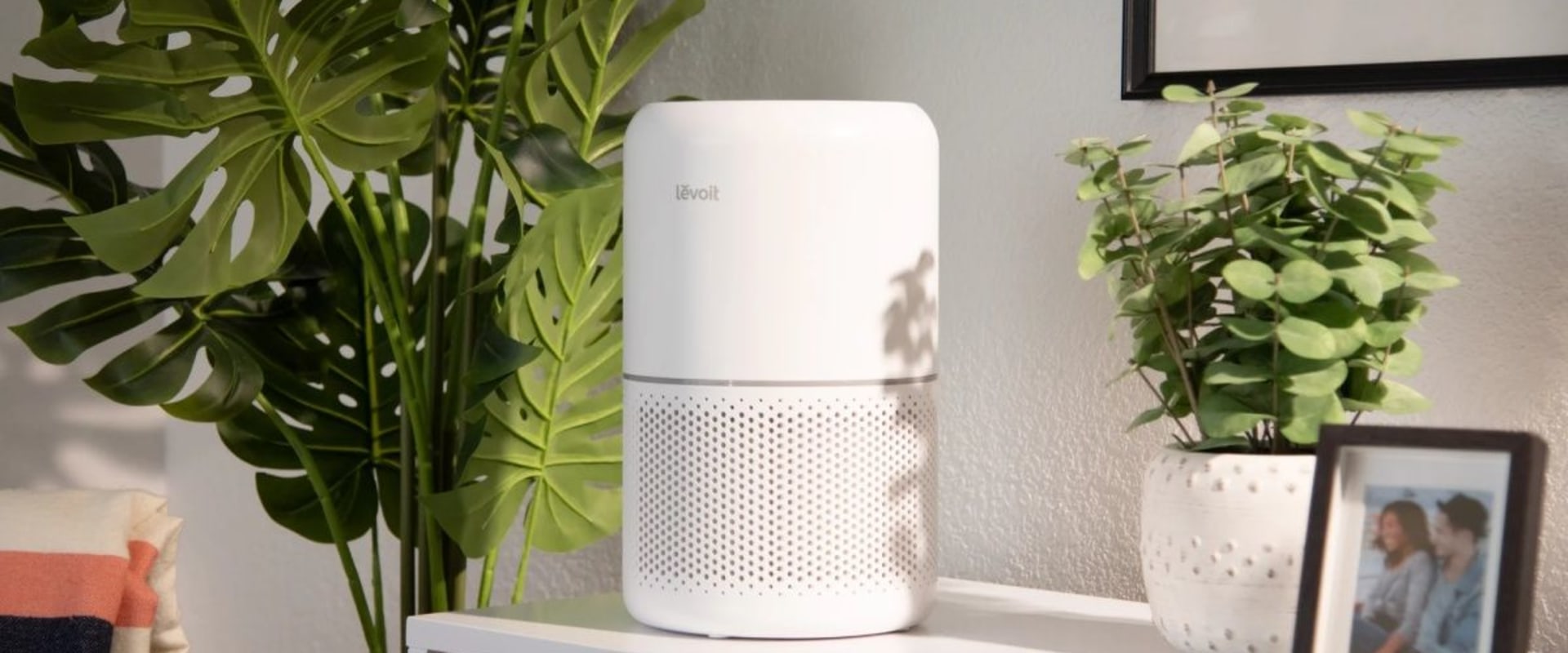
In today’s world, where air quality is increasingly compromised by pollution, allergens, and various indoor contaminants, understanding the role of air purifiers has never been more crucial. An air purifier is a device designed to remove harmful particles from the air, enhancing the overall quality of the environment in which we live and work. These devices are equipped with advanced filtration systems that target a wide range of pollutants, including dust, pet dander, pollen, smoke, and even volatile organic compounds (VOCs) that can emanate from household products.So, how do air purifiers work? At their core, most air purifiers utilize a combination of mechanical and electronic filtration methods. The most common type is the HEPA (High-Efficiency Particulate Air) filter, which can capture up to 99.97% of particles as small as 0.3 microns.
This means that not only larger particles but also microscopic allergens are effectively trapped. Additionally, many modern air purifiers incorporate activated carbon filters that absorb odors and gases, further purifying the air. Some advanced models even use UV light technology to neutralize bacteria and viruses, providing an extra layer of protection against airborne pathogens.The benefits of using an air purifier extend beyond just cleaner air; they can significantly improve your health and well-being. For individuals suffering from allergies or asthma, these devices can alleviate symptoms by reducing exposure to triggers.
Moreover, cleaner air contributes to better sleep quality and overall comfort in your living space. In environments like offices or homes with pets, an air purifier can help maintain a fresher atmosphere by minimizing unpleasant odors and airborne irritants.As we delve deeper into the topic of air purifiers, it becomes evident that their effectiveness is not solely dependent on their technology but also on their placement within a room. Understanding how to strategically position your air purifier will maximize its performance and ensure that you reap all the health benefits it has to offer.
Factors Influencing Air Purifier Placement
When considering the optimal placement of an air purifier, several key factors come into play that can significantly influence its effectiveness. Understanding these factors is essential for ensuring that your air purifier operates at its best, providing you with clean and healthy air.Room Size
The size of the room where the air purifier will be used is one of the most critical factors to consider.
Air purifiers are designed to handle a specific square footage, and placing a unit that is too small in a large room can lead to inadequate air purification. Conversely, using a larger unit in a small space may result in unnecessary energy consumption and noise. To determine the right size, check the manufacturer's specifications for the top air purifiers and match them with your room dimensions.
Airflow Dynamics
Airflow is another vital consideration when positioning your air purifier. For optimal performance, it should be placed in an area where air can circulate freely around it.
Avoid placing the unit in corners or behind furniture, as these obstructions can hinder airflow and reduce its ability to filter out pollutants effectively. Ideally, the air purifier should be positioned at least a few feet away from walls or large objects to allow for unobstructed airflow.
Proximity to Pollution Sources
Identifying sources of pollution within your space is crucial for effective air purification. Placing the air purifier near windows, doors, or areas where dust and allergens are likely to enter can enhance its ability to capture these particles before they disperse throughout the room. For instance, if you have pets, positioning the purifier near their sleeping area can help manage pet dander and odors more effectively.
Room Functionality
The function of the room also plays a role in determining where to place your air purifier.
In bedrooms, for example, placing the unit close to the bed can help improve sleep quality by reducing allergens that may trigger nighttime symptoms. In living rooms or common areas, situating the purifier near high-traffic zones can help mitigate pollutants brought in from outside or generated by daily activities.By taking into account these factors—room size, airflow dynamics, proximity to pollution sources, and room functionality—you can maximize the effectiveness of your air purifier. This strategic placement will not only enhance indoor air quality but also contribute to a healthier living environment.
Ideal Locations for Air Purifiers in Different Rooms
When it comes to maximizing the effectiveness of top air purifiers, understanding the unique characteristics of each room in your home or workspace is essential. Different environments require tailored placement strategies to ensure optimal air quality.Below are specific recommendations for placing air purifiers in various rooms.
Bedroom Placement
The bedroom is a sanctuary for rest and rejuvenation, making it crucial to maintain clean air while you sleep. For optimal results, place your air purifier:- Near the Bed: Positioning the purifier close to your bed allows for better circulation of purified air while you sleep, which can help alleviate allergies and respiratory issues.
- Away from Walls: Ensure that the unit is at least a few feet away from walls or furniture to prevent airflow obstruction. This enhances its ability to draw in pollutants effectively.
- In a Corner: If space is limited, placing the purifier in a corner can still provide good coverage while keeping it out of the way.
Living Room Placement
The living room often serves as a central gathering space, making it vital to keep the air clean for family and guests. Consider these tips for placement:- Near Seating Areas: Position the air purifier near seating arrangements where people spend most of their time.
This ensures that the air being circulated is clean and fresh.
- Avoid High-Traffic Areas: While it’s important to have the purifier accessible, avoid placing it in high-traffic areas where it might be knocked over or obstructed.
- Central Location: If possible, place the unit in a central location within the room to maximize its coverage and efficiency.
Kitchen Placement
The kitchen can be a source of various pollutants, including cooking odors and smoke. For effective purification, follow these guidelines:- Away from Heat Sources: Avoid placing the air purifier near stoves or ovens, as heat can damage the unit and reduce its efficiency.
- Near Entry Points: Positioning the purifier near doors or windows can help capture outdoor pollutants before they enter the kitchen.
- On a Countertop: If space allows, placing the purifier on a countertop can help circulate clean air effectively without taking up too much floor space.
Office Placement
An office environment requires clean air for productivity and focus. Here are some tips for optimal placement:- Close to Your Workstation: Place the air purifier near your desk or workstation to ensure that you are breathing clean air while working.
- Avoid Cluttered Areas: Keep the area around the purifier clear of clutter to allow for unobstructed airflow and easy access for maintenance.
- Consider Airflow Patterns: Be mindful of how air circulates in your office; positioning the unit where it can effectively draw in stale air will enhance its performance.
Common Mistakes to Avoid When Placing Air Purifiers
When it comes to maximizing the effectiveness of your air purifier, avoiding common placement mistakes is crucial. Many users unknowingly hinder their device's performance by overlooking key factors in its positioning.Here are some prevalent errors to steer clear of:
- Placing the Air Purifier in a Corner: While it may seem logical to tuck your air purifier away in a corner, this can significantly restrict airflow. Air purifiers need space to draw in air from all directions. Instead, position your unit in an open area where it can circulate air freely.
- Blocking Airflow: Ensure that the air purifier is not obstructed by furniture, curtains, or other objects. Any blockage can prevent the device from effectively pulling in polluted air and distributing clean air throughout the room.
- Ignoring Room Size: A common mistake is using an air purifier that is not suitable for the size of the room.
Always check the manufacturer's specifications for coverage area and choose a model that matches your space. Using a small unit in a large room will lead to inadequate purification.
- Positioning Near Sources of Pollution: Placing your air purifier too close to sources of pollution, such as windows, doors, or even cooking areas, can overwhelm the device. Instead, position it away from these sources to allow it to effectively filter out contaminants before they spread throughout the room.
- Neglecting Maintenance Access: If your air purifier is difficult to access for filter changes and maintenance, you may neglect these essential tasks. Ensure that your unit is placed in a location that allows easy access for regular upkeep.
- Using It in High Humidity Areas: Avoid placing your air purifier in areas with high humidity, such as bathrooms or near sinks.
Excess moisture can damage the unit and reduce its efficiency. Instead, keep it in dry areas where it can operate optimally.
The Role of Airflow and Circulation in Air Purification
When it comes to air purification, the significance of airflow and circulation cannot be overstated. An air purifier's effectiveness is largely determined by its ability to move air through its filters, capturing pollutants and allergens in the process.Understanding how airflow works within a room can help you optimize the placement of your air purifier, ensuring that it operates at peak efficiency.
Airflow Importance
Airflow is the movement of air within a space, and it plays a crucial role in how well an air purifier can clean the air. When air circulates freely, it allows the purifier to draw in contaminated air from various parts of the room. If airflow is restricted, the purifier may struggle to capture pollutants effectively. This is why it's essential to consider both the design of your room and the placement of your air purifier.
How Air Circulation Affects Purifiers
The design of your living space can significantly impact how well an air purifier functions.
For instance, rooms with furniture or other obstructions can impede airflow, preventing the purifier from drawing in enough air. To enhance circulation:
- Position the air purifier away from walls and large furniture pieces.
- Avoid placing it in corners where airflow may be limited.
- Ensure that there are no objects blocking the intake or exhaust vents of the purifier.
Optimizing Airflow
To maximize the effectiveness of your air purifier:
- Choose a central location: Placing your air purifier in a central area allows it to cover more ground and ensures that it can effectively circulate clean air throughout the room.
- Consider multiple units: In larger spaces, using multiple purifiers can help maintain optimal airflow and ensure that all areas receive adequate purification.
- Regular maintenance: Keep filters clean and replace them as needed to ensure that airflow remains unobstructed. A clogged filter can significantly reduce an air purifier's efficiency.
Using Multiple Air Purifiers for Larger Spaces
When it comes to maintaining clean air in larger spaces, relying on a single air purifier may not be sufficient.The effectiveness of air purifiers is often contingent upon their ability to circulate and filter air throughout the entire room. In expansive areas, the distribution of pollutants can vary significantly, making it essential to consider the use of multiple air purifiers for optimal air quality.Using multiple air purifiers allows for a more comprehensive approach to air purification. Here are some key strategies to effectively distribute them:
- Assess the Size of the Space: Begin by measuring the square footage of the room or area you wish to purify. Most air purifiers come with specifications indicating their coverage area.
For instance, if you have a room that is 800 square feet and your purifier is rated for 400 square feet, you will need at least two units to ensure adequate coverage.
- Identify Pollution Sources: Consider where pollutants are likely to enter or accumulate in the space. For example, if you have a large living room with windows that open to a busy street, placing one purifier near the window can help capture incoming dust and allergens before they disperse throughout the room.
- Strategic Placement: Distribute your air purifiers evenly throughout the space. For larger rooms, consider placing them in corners or near high-traffic areas where people spend most of their time. This ensures that clean air circulates effectively and reaches all corners of the room.
- Utilize Open Floor Plans: In homes with open floor plans, it may be beneficial to place multiple purifiers in different zones of the space.
This helps maintain consistent air quality across interconnected areas, preventing pockets of stale or polluted air.
Maintenance Tips for Air Purifier Placement and Care
Maintaining your air purifier is crucial for ensuring its longevity and optimal performance. Proper placement and regular care can significantly enhance the effectiveness of your device.Here are some essential maintenance tips to consider:
- Regular Cleaning: Dust and debris can accumulate on the exterior of your air purifier, which may hinder airflow. Wipe down the surfaces with a soft, damp cloth at least once a week. Avoid using harsh chemicals that could damage the unit.
- Filter Maintenance: The filters in your air purifier play a vital role in trapping pollutants. Check the manufacturer’s guidelines for recommended filter replacement intervals.
Typically, HEPA filters should be replaced every 6 to 12 months, while pre-filters may need more frequent changes.
- Monitor Filter Indicators: Many modern air purifiers come equipped with filter change indicators. Pay attention to these alerts, as they provide a helpful reminder when it’s time to replace or clean the filters.
- Avoid Obstructions: Ensure that your air purifier is placed in an area free from obstructions. Keep it away from walls, furniture, or other objects that could block airflow. Ideally, maintain a clearance of at least 12 inches around the unit for optimal air circulation.
- Check for Humidity: High humidity levels can affect the performance of your air purifier.
Avoid placing it in areas prone to moisture, such as bathrooms or kitchens. If necessary, use a dehumidifier in conjunction with your air purifier to maintain an ideal environment.
- Seasonal Maintenance: During seasonal changes, allergens like pollen or dust mites may increase. Consider increasing the frequency of filter checks and replacements during these times to ensure your air purifier is functioning effectively.
Frequently Asked Questions About Air Purifier Placement
When it comes to air purifiers, many users have questions about their placement and functionality.Here are some of the most frequently asked questions regarding air purifier placement, along with clear answers to help you optimize your air quality.
1.Where is the best place to put my air purifier?
The ideal location for your air purifier is in a central area of the room, away from walls and furniture that could obstruct airflow. This allows the device to effectively circulate clean air throughout the space. If you have a larger room, consider placing multiple units to ensure comprehensive coverage.2.Can I place my air purifier on the floor?
Yes, placing your air purifier on the floor is acceptable, but it’s best to elevate it slightly if possible. This can enhance its ability to capture airborne particles, as many pollutants tend to linger closer to the ground.A small table or stand can be an effective solution.
3.Should I keep my air purifier near a window?
While placing an air purifier near a window can help capture incoming pollutants, it’s essential to consider outdoor conditions. If outdoor air quality is poor, it may be better to position the unit further away from windows and doors to prevent it from drawing in contaminated air.4.How far should I keep my air purifier from walls and furniture?
To maximize airflow and efficiency, maintain at least 2-3 feet of clearance around your air purifier. This distance allows for optimal circulation and prevents any obstructions that could hinder its performance.5.Can I use an air purifier in a bathroom or kitchen?
It’s generally not recommended to place an air purifier in high-humidity areas like bathrooms or near kitchen sinks. Excess moisture can damage the unit and reduce its effectiveness.Instead, use it in drier areas of your home where it can operate efficiently.
6.What should I do if my air purifier isn’t working effectively?
- Check the filters: Ensure that filters are clean and replaced regularly according to the manufacturer’s guidelines.
- Avoid obstructions: Make sure there are no objects blocking the intake or output vents of the unit.
- Reassess placement: If you notice decreased performance, consider relocating the unit to a more central or unobstructed area.
Conclusion: Achieving Optimal Air Quality Through Strategic Placement
In conclusion, the placement of your air purifier is a critical factor in ensuring that you achieve the best possible air quality in your home or workspace. Throughout this article, we have explored various strategies and considerations that can significantly enhance the effectiveness of your air purification system.To recap, here are the key points to remember:- Central Location: Positioning your air purifier in a central area of the room allows for optimal air circulation and coverage. This ensures that clean air is distributed evenly throughout the space.
- Avoiding Obstacles: Keeping the purifier free from obstructions such as furniture or clutter is essential. This not only maximizes airflow but also simplifies maintenance tasks like filter changes and cleaning.
- Proximity to Pollution Sources: Placing the unit near windows, doors, or other entry points can help capture incoming pollutants before they disperse throughout the room.
- Room Size Considerations: For larger spaces, utilizing multiple air purifiers may be necessary to ensure comprehensive coverage.
Each unit should be strategically placed to address specific areas of concern.
- Humidity Awareness: Avoid placing air purifiers in high-humidity areas such as bathrooms or kitchens, as moisture can damage the unit and reduce its efficiency.