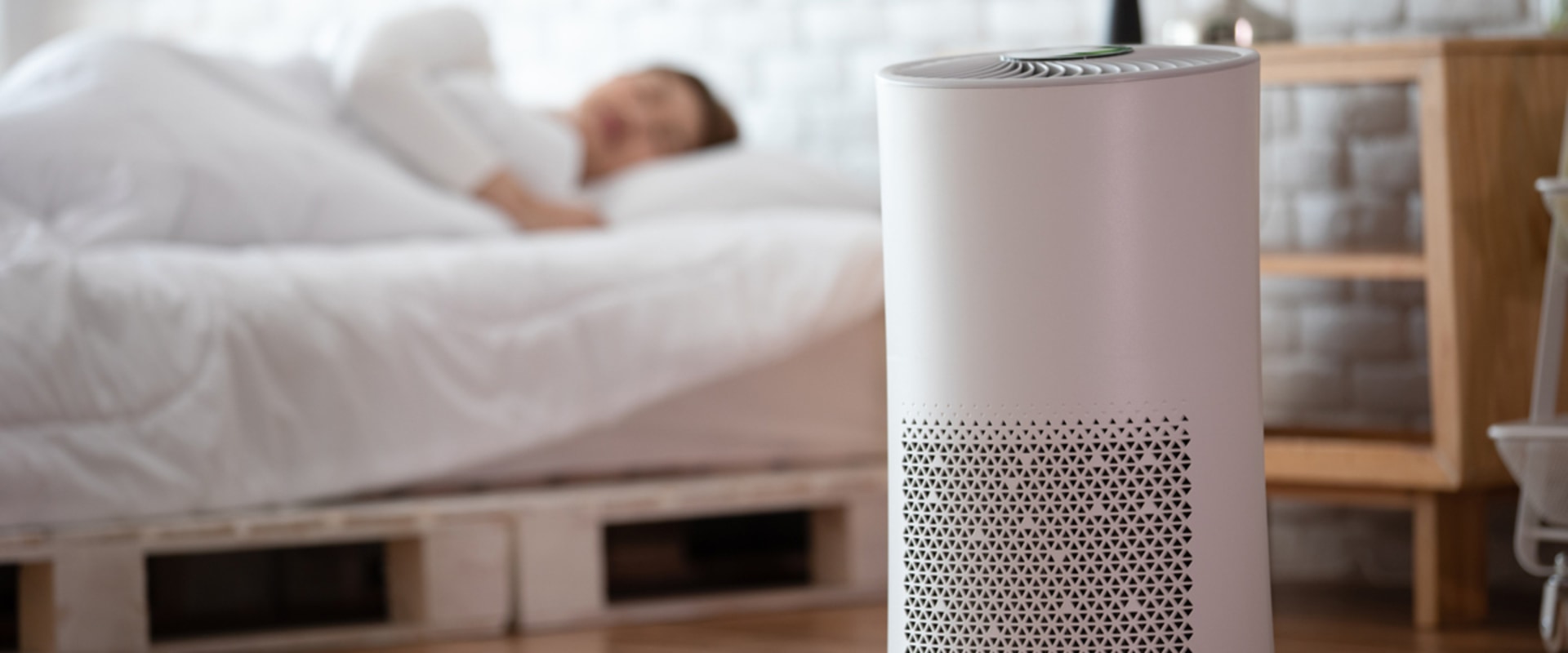
In today’s world, where air quality is increasingly compromised by pollution, allergens, and other harmful particles, understanding air purifiers has never been more essential. An air purifier is a device designed to cleanse the air in your home or office by removing contaminants that can affect your health and well-being. These devices are particularly beneficial for individuals suffering from allergies, asthma, or other respiratory conditions, as they help create a cleaner and safer indoor environment.So, how do air purifiers work? At their core, these devices utilize various filtration systems to capture and eliminate airborne particles. Most commonly, they employ HEPA (High-Efficiency Particulate Air) filters that can trap up to 99.97% of particles as small as 0.3 microns.
This includes dust, pollen, pet dander, and even some bacteria and viruses. Additionally, many modern air purifiers incorporate activated carbon filters that absorb odors and volatile organic compounds (VOCs), further enhancing the air quality.The benefits of using an air purifier extend beyond just alleviating allergy symptoms. By reducing indoor air pollution, these devices can contribute to better sleep quality, improved concentration, and overall enhanced health. Cleaner air can lead to fewer respiratory infections and a lower risk of chronic diseases associated with long-term exposure to pollutants.
Moreover, with the rise of remote work and more time spent indoors, investing in an air purifier is a proactive step towards ensuring a healthier living space.
Types of Air Purifiers
When it comes to selecting an air purifier, understanding the different types available is crucial. Each type employs unique technologies and mechanisms to improve indoor air quality. Below, we explore the most common types of air purifiers, highlighting their features and effectiveness.HEPA Filters
High-Efficiency Particulate Air (HEPA) filters are among the most popular and effective types of air purification systems. These filters are designed to capture at least 99.97% of particles that are 0.3 microns in size, including dust, pollen, pet dander, and even some bacteria and viruses.The effectiveness of HEPA filters lies in their dense fiber structure, which traps particles as air passes through.
- Advantages: HEPA filters are highly efficient at removing allergens and pollutants from the air, making them ideal for allergy sufferers.
- Maintenance: Regular replacement of HEPA filters is necessary to maintain their efficiency, typically every 6 to 12 months depending on usage.
Activated Carbon Filters
Activated carbon filters utilize a different approach by adsorbing gases and odors from the air. These filters contain activated carbon, which has a large surface area that traps volatile organic compounds (VOCs), smoke, and unpleasant smells.- Advantages: They are particularly effective at eliminating odors from cooking, pets, and smoke, making them a great addition to any home.
- Limitations: While they excel at odor removal, activated carbon filters do not capture particulate matter as effectively as HEPA filters.
Ionic Air Purifiers
Ionic air purifiers work by emitting negatively charged ions into the air. These ions attach themselves to positively charged particles like dust and allergens, causing them to clump together and fall out of the air or stick to surfaces. This method can be effective in reducing airborne pollutants.- Advantages: Ionic purifiers are often quieter than traditional models since they do not rely on fans for operation.
- Concerns: Some ionic purifiers can produce ozone as a byproduct, which may be harmful in high concentrations.
It’s essential to choose models that adhere to safety standards regarding ozone emissions.
Key Features to Consider When Choosing an Air Purifier
When it comes to selecting the right air purifier, understanding the key features is crucial for making an informed decision. Here are the essential aspects to consider:Room Size
The first factor to evaluate is the size of the room where you plan to use the air purifier. Each model is designed to cover a specific square footage, and using a purifier that is too small for your space will result in ineffective air cleaning.Measure your room and check the manufacturer's specifications to ensure optimal performance.
Filter Types
The type of filter used in an air purifier significantly impacts its efficiency. Here are some common filter types:- HEPA Filters: High-Efficiency Particulate Air (HEPA) filters are capable of trapping 99.97% of particles as small as 0.3 microns, making them ideal for allergens like pollen, dust mites, and pet dander.
- Activated Carbon Filters: These filters excel at removing odors and volatile organic compounds (VOCs) from the air, making them a great choice for kitchens or areas with strong smells.
- UV Filters: Ultraviolet light filters can kill bacteria and viruses, providing an additional layer of protection against airborne pathogens.
Noise Levels
If you plan to use your air purifier in a bedroom or office, consider the noise level. Some models operate quietly while others can be quite loud, which may disrupt sleep or concentration. Look for purifiers that offer a quiet mode or have adjustable fan speeds to minimize noise during operation.Additional Features
Modern air purifiers come with various additional features that enhance usability and convenience.Here are some popular options:
- Smart Technology: Many air purifiers now include smart features such as Wi-Fi connectivity, allowing you to control them via smartphone apps or voice commands through devices like Alexa or Google Assistant.
- Air Quality Sensors: Some models are equipped with sensors that monitor air quality in real-time and adjust their operation accordingly, ensuring optimal performance without manual intervention.
- Timers and Scheduling: Timers allow you to set specific operating times, which can help save energy and ensure that your air purifier runs when you need it most.
Top Air Purifiers on the Market
When it comes to maintaining a healthy indoor environment, investing in a high-quality air purifier is essential. Below, we present a curated list of the top air purifiers available in 2023, complete with detailed reviews and comparisons to help you make an informed decision.1.Coway AP-1512HH Mighty Air Purifier
The Coway AP-1512HH is often hailed as one of the best air purifiers on the market. It features a four-stage filtration system that includes a pre-filter, activated carbon filter, and a true HEPA filter, effectively capturing 99.97% of airborne pollutants. With its compact design and energy-efficient operation, this model is perfect for medium-sized rooms up to 361 square feet.2.Dyson Pure Cool TP01
The Dyson Pure Cool TP01 not only purifies the air but also functions as a fan, making it a versatile addition to your home.Its 360-degree filtration system captures allergens and pollutants while projecting purified air throughout the room. The sleek design and smart features, including app connectivity, make it a top-rated choice for those seeking both style and functionality.
3.Levoit Core 300
If you're looking for an affordable yet effective option, the Levoit Core 300 is an excellent choice. This compact air purifier utilizes a three-stage filtration system with a true HEPA filter to remove dust, smoke, and pet dander from spaces up to 219 square feet. Its quiet operation and modern design make it suitable for bedrooms or offices.4.Honeywell HPA300
The Honeywell HPA300 is designed for larger spaces, covering up to 465 square feet.It features a powerful HEPA filter that captures allergens and particles as small as 0.3 microns. With multiple cleaning levels and a Turbo Clean setting, this model is ideal for those who need robust air purification in larger areas.
5.Blueair Blue Pure 211+
The Blueair Blue Pure 211+ stands out with its unique design and exceptional performance. It combines mechanical and electrostatic filtration to remove allergens and pollutants efficiently. Suitable for rooms up to 540 square feet, this model is perfect for open-concept living spaces.Each of these top-rated air purifiers has been selected based on performance, user reviews, and overall value.When choosing an air purifier, consider factors such as room size, filter type, and additional features that may enhance your experience.
How to Maintain Your Air Purifier for Optimal Performance
To ensure your air purifier operates at its best, regular maintenance is essential. Proper care not only extends the lifespan of your device but also enhances its efficiency in removing pollutants from the air. Here are some key maintenance practices to keep in mind:1.Regular Filter Replacement
One of the most critical aspects of air purifier maintenance is timely filter replacement. Filters can become clogged with dust, allergens, and other particles over time, reducing their effectiveness.Here’s how to manage filter replacement:
- Check Manufacturer Guidelines: Always refer to the user manual for specific recommendations on how often to replace filters. Most HEPA filters should be replaced every 6 to 12 months, while activated carbon filters may need changing more frequently.
- Monitor Filter Indicators: Many modern air purifiers come equipped with filter change indicators that alert you when it’s time for a replacement. Pay attention to these signals to maintain optimal performance.
- Keep Spare Filters Handy: Having replacement filters on hand can save you time and ensure that your air purifier is always ready to work efficiently.
2.Cleaning the Unit
In addition to replacing filters, keeping the exterior and interior of your air purifier clean is vital:- Wipe Down Surfaces: Use a soft, damp cloth to clean the outer surfaces of your air purifier regularly. This helps remove dust and prevents buildup that can affect airflow.
- Vacuum Pre-Filters: If your model has a pre-filter, vacuum it gently every month to remove larger particles before they reach the main filter.
- Avoid Harsh Chemicals: When cleaning, avoid using harsh chemicals or abrasive materials that could damage the unit.
Stick to mild soap and water for best results.
3.Optimal Placement
The placement of your air purifier can significantly impact its performance:- Avoid Corners: Position your air purifier in an open area rather than in a corner or behind furniture. This allows for better airflow and maximizes its ability to circulate clean air.
- Keep Away from Heat Sources: Avoid placing the unit near heaters or direct sunlight, as excessive heat can affect its functionality.
Common Myths About Air Purifiers Debunked
When it comes to air purifiers, there are numerous myths and misconceptions that can cloud the decision-making process for potential buyers. Understanding the truth behind these myths is essential for making an informed choice about air purification in your home or office.Here, we will debunk some of the most common myths surrounding air purifiers.
Myth 1: Air Purifiers Are Only Necessary for Allergies
Many people believe that air purifiers are only beneficial for those suffering from allergies. While it’s true that air purifiers can significantly reduce allergens like pollen, dust mites, and pet dander, they also play a crucial role in removing other harmful pollutants from the air. This includes smoke, volatile organic compounds (VOCs), and even bacteria and viruses. Therefore, even if you don’t have allergies, an air purifier can enhance your overall indoor air quality.
Myth 2: All Air Purifiers Are the Same
This misconception can lead to poor purchasing decisions.
Not all air purifiers are created equal; they vary significantly in terms of technology, filter types, and effectiveness. For instance, HEPA filters are known for their ability to capture 99.97% of particles as small as 0.3 microns, while activated carbon filters excel at absorbing odors and gases. It’s essential to choose a model that fits your specific needs.
Myth 3: Air Purifiers Are Noisy
While some older models may have been noisy, modern air purifiers are designed with noise reduction in mind. Many models now operate quietly, making them suitable for bedrooms or offices without causing distractions.
When shopping for an air purifier, look for specifications regarding noise levels or features like a quiet mode.
Myth 4: You Don’t Need to Change Filters Regularly
Another common myth is that once you purchase an air purifier, you can forget about it. In reality, regular maintenance is crucial for optimal performance. Filters need to be changed according to the manufacturer’s recommendations—typically every 6 to 12 months—depending on usage and environmental factors. Neglecting this can lead to reduced efficiency and even damage to the unit.
Myth 5: Air Purifiers Eliminate All Indoor Pollutants
While air purifiers are effective at reducing many airborne pollutants, they do not eliminate all sources of indoor pollution.
For example, they cannot remove pollutants that are not airborne, such as mold growing on surfaces or dust accumulating on furniture. It’s important to combine the use of an air purifier with regular cleaning and proper ventilation to achieve the best indoor air quality.By debunking these myths, potential buyers can make more informed decisions about investing in an air purifier that truly meets their needs and enhances their living environment.
Frequently Asked Questions About Air Purifiers
When considering an air purifier, many potential users have questions about their functionality, maintenance, and effectiveness. Below are some of the most frequently asked questions regarding air purifiers, along with detailed answers to help you make informed decisions.What is an air purifier and how does it work?
An air purifier is a device designed to remove contaminants from the air in a room. It works by drawing in air through filters that capture pollutants such as dust, pollen, smoke, and pet dander.The purified air is then released back into the room. Most modern air purifiers utilize HEPA (High-Efficiency Particulate Air) filters, which can trap 99.97% of particles that are 0.3 microns in size.
How often should I replace the filters in my air purifier?
The frequency of filter replacement depends on the type of filter and the usage of the air purifier. Generally, HEPA filters should be replaced every 6 to 12 months, while activated carbon filters may need replacement every 3 to 6 months. Always refer to the manufacturer’s guidelines for specific recommendations.Can air purifiers help with allergies?
Yes, air purifiers can significantly alleviate allergy symptoms by removing allergens such as pollen, mold spores, and pet dander from the air.For optimal results, choose a model equipped with a true HEPA filter.
Do air purifiers produce ozone?
Some air purifiers, particularly ionic models, can produce ozone as a byproduct. While ozone can help eliminate odors and pollutants, it can also be harmful in high concentrations. It’s essential to select an air purifier that meets safety standards for ozone emissions and to use it in well-ventilated areas.What size air purifier do I need for my room?
The size of the air purifier you need depends on the square footage of the room where it will be used. Most manufacturers provide a recommended coverage area for their models.For best results, choose an air purifier that can handle at least the size of your room.
Why is my air purifier making noise?
Noise levels vary among different models and settings. If your air purifier is louder than expected, check if it’s set to a higher fan speed or if there’s an obstruction in the airflow. Regular maintenance can also prevent noise issues caused by dust buildup or malfunctioning parts.Can I run my air purifier all day?
Yes, you can run your air purifier continuously for optimal performance. Many models are designed for 24/7 operation and will efficiently clean the air without significant energy consumption.However, consider using a model with an automatic mode that adjusts fan speed based on current air quality.If you have more questions or need troubleshooting tips regarding your specific model, consult the user manual or contact customer support for assistance.
Conclusion: Making an Informed Choice on Your Air Purifier
In conclusion, selecting the right air purifier is a crucial step towards ensuring a healthier living environment. Throughout this guide, we have explored various aspects of air purifiers, including their functionality, types, and the factors to consider when making a purchase. Understanding these elements can empower you to make an informed decision that aligns with your specific needs.First and foremost, it is essential to assess the size of the room where the air purifier will be used. Different models are designed to cover varying square footage, and choosing one that matches your space will enhance its effectiveness.A unit that is too small for a large room may struggle to purify the air adequately, while an oversized model in a small space could lead to unnecessary energy consumption.Next, consider the type of filter utilized in the air purifier. HEPA filters are renowned for their ability to capture 99.97% of particles as small as 0.3 microns, making them ideal for allergy sufferers. Activated carbon filters are excellent for eliminating odors and volatile organic compounds (VOCs), while UV filters can help neutralize bacteria and viruses. Depending on your specific concerns—be it allergens, odors, or pathogens—selecting the appropriate filter type is vital.Another important factor is the noise level of the air purifier.
If you plan to use it in a bedroom or office, opting for a model with a quiet operation or a dedicated sleep mode can significantly enhance your comfort. Additionally, many modern air purifiers come equipped with smart features such as app connectivity and voice control compatibility, which can add convenience to your daily routine.Ultimately, investing in a quality air purifier can lead to significant improvements in your indoor air quality and overall well-being. By taking the time to evaluate your options and understanding what features matter most to you, you can confidently choose from the top air purifiers available on the market today. Remember that regular maintenance and timely filter replacements are essential for keeping your device functioning optimally.As you embark on this journey towards cleaner air, don’t hesitate to reach out for expert advice or consult product reviews to further inform your decision-making process.
Your health deserves nothing less than the best!.