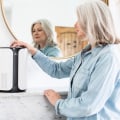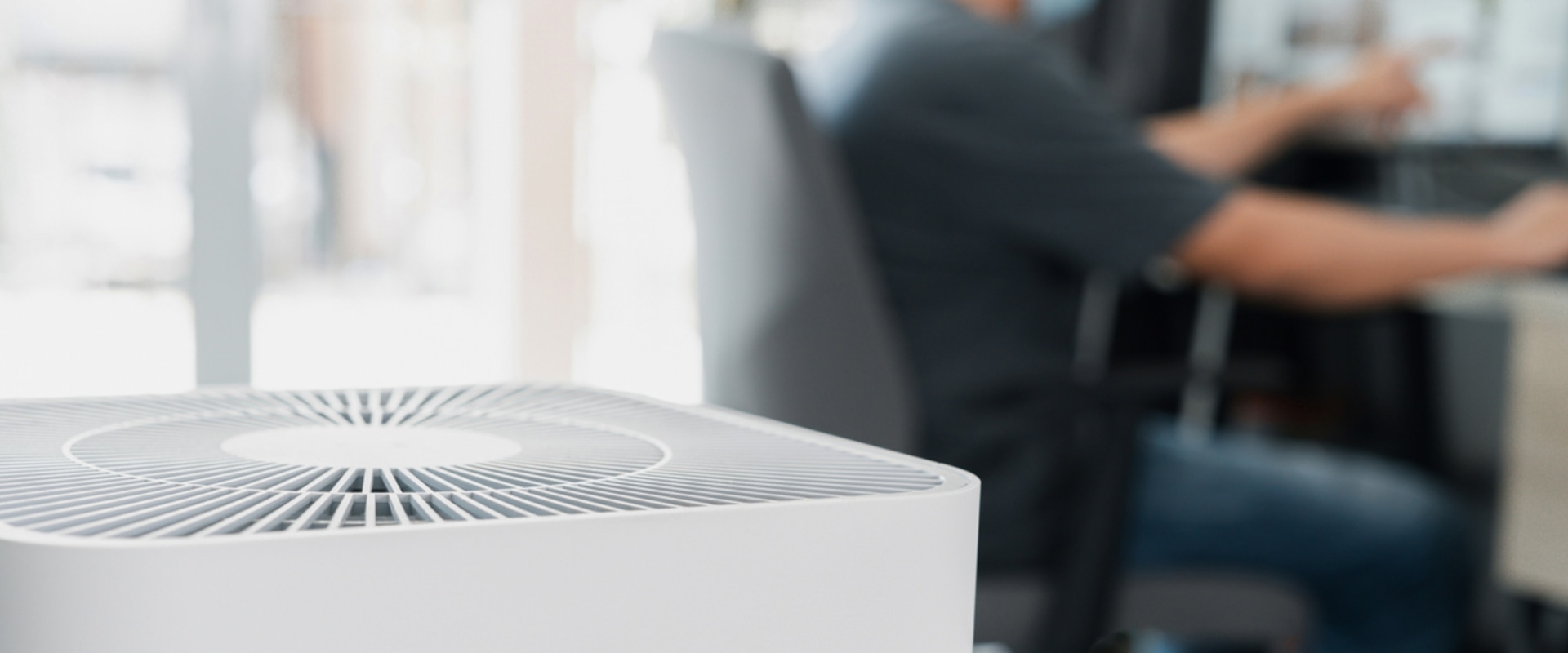
Air purifiers have become essential devices in modern homes and offices, designed to enhance indoor air quality by removing a variety of pollutants. But what exactly are air purifiers? At their core, these devices utilize advanced filtration systems to capture and eliminate harmful particles from the air we breathe. This includes allergens like dust, pollen, and pet dander, as well as more serious contaminants such as smoke, mold spores, and volatile organic compounds (VOCs). Understanding how air purifiers work is crucial for anyone looking to improve their living environment.The benefits of using air purifiers extend beyond mere comfort; they can significantly impact health and well-being.
For individuals suffering from allergies or respiratory conditions such as asthma, clean air is vital. Air purifiers can help reduce the frequency and severity of allergy attacks by filtering out irritants that trigger symptoms. Moreover, even those without pre-existing conditions can experience improved sleep quality and overall health when breathing cleaner air. The presence of an air purifier can also contribute to a fresher atmosphere, making spaces feel more inviting.How do these devices achieve such remarkable results? Most air purifiers operate using a multi-stage filtration process.
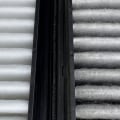
The first stage typically involves a pre-filter that captures larger particles, followed by a HEPA filter that traps smaller allergens and pollutants. Some models also include activated carbon filters that absorb odors and chemical vapors. By understanding the mechanics behind these devices, users can make informed decisions about which type of air purifier best suits their needs.In summary, air purifiers are not just gadgets; they are powerful tools for enhancing indoor air quality and promoting better health. As we delve deeper into the topic of strategic placement in this article, it becomes clear that knowing where to position these devices is just as important as selecting the right model.
Proper placement ensures that you maximize the effectiveness of your air purifier, allowing you to enjoy all the benefits they have to offer.
Key Factors to Consider When Choosing Air Purifier Locations
When it comes to optimizing the performance of your air purifier, understanding the key factors that influence its placement is essential. Here are some critical considerations to keep in mind:- Room Usage: The frequency and duration of time spent in a room significantly impact where you should place your air purifier. Rooms that are used regularly, such as living rooms and bedrooms, should be prioritized. Since we spend a considerable amount of time in these spaces, ensuring they have clean air is crucial for health and comfort.
- Pollutant Sources: Identifying potential sources of pollutants in each room can guide your placement strategy.
For instance, kitchens often have cooking fumes, while pet owners may need to consider areas where pets spend most of their time. Placing an air purifier near these sources can help mitigate the effects of allergens and irritants.
- Airflow Dynamics: Proper airflow is vital for an air purifier to function effectively. Ensure that the unit is not obstructed by furniture or walls, as this can hinder its ability to circulate air. Ideally, the inlet should be at least 15 cm away from any walls or large objects to allow for optimal airflow.
- Room Size: The size of the room plays a significant role in determining the type and number of air purifiers needed.
Larger rooms may require multiple units or a more powerful model to achieve adequate air changes per hour (ACH). Refer to the manufacturer's specifications to ensure you select a model suitable for your room size.
- Noise Levels: Consider the noise output of your air purifier, especially if it will be placed in a bedroom or shared space. Some models operate quietly, making them ideal for nighttime use, while others may produce more sound. Choose a unit that balances performance with comfort.
This thoughtful approach not only enhances indoor air quality but also contributes to a healthier living environment for you and your family.
Best Rooms for Air Purifiers: A Detailed Guide
When considering the best rooms for air purifiers, it’s essential to evaluate the unique characteristics and functions of each space in your home. Different rooms serve various purposes and can harbor distinct types of pollutants, making strategic placement crucial for maximizing air quality.Air Purifier in the Bedroom
The bedroom is often regarded as one of the most critical areas for an air purifier. Since we spend a significant portion of our lives sleeping, ensuring clean air during this time is vital for health and well-being. Common pollutants in bedrooms include dust mites, pet dander, and allergens that can disrupt sleep quality.- Sleep Quality: Clean air can lead to better sleep by reducing irritants that cause allergies or respiratory issues.
- Placement: Position the air purifier at least 15 cm away from walls or furniture to allow for optimal airflow.
Ideally, place it near the bed but not directly next to it to avoid noise disturbances.
Air Purifier in the Living Room
The living room is often a central hub for family activities and gatherings, making it another prime location for an air purifier. This space can accumulate various pollutants from cooking fumes, smoke, and even outdoor allergens that enter through open windows.- High Traffic Area: Since this room is frequently used, maintaining clean air here can benefit everyone who spends time in the space.
- Considerations: Ensure the purifier is placed away from corners and obstructions to maximize its efficiency. A unit with a higher CADR (Clean Air Delivery Rate) may be beneficial in larger living rooms.
Air Purifier in the Kitchen
The kitchen is often overlooked when it comes to air purification, yet it can be a significant source of indoor air pollution due to cooking odors, smoke, and grease particles. An air purifier in this area can help mitigate these issues effectively.- Odor Control: A good air purifier can neutralize cooking smells and reduce airborne grease particles that settle on surfaces.
- Placement Tips: Position the purifier away from direct cooking areas but close enough to capture airborne particles.
Consider a model with a HEPA filter designed to handle smoke and odors.
Strategic Placement Tips for Different Room Types
When it comes to maximizing the effectiveness of your air purifier, strategic placement is key. Different rooms in your home or office present unique challenges and opportunities for optimal air purification. Here are some tailored tips for positioning your air purifier based on the specific characteristics of various room types.Living Room
The living room is often the heart of the home, where families gather and activities take place.To ensure that the air purifier works efficiently in this space:
- Central Location: Place the air purifier in a central location to allow for even distribution of purified air. This helps to cover a larger area effectively.
- Avoid Corners: Keep the unit away from corners and walls, ideally at least 15 inches from any obstruction. This allows for better airflow and prevents the accumulation of dust and particles.
- Furniture Arrangement: Ensure that furniture does not block the airflow. Positioning it near seating areas can help improve air quality where people spend most of their time.
Bedroom
Since we spend a significant amount of time sleeping, placing an air purifier in the bedroom is crucial for maintaining healthy air quality:- Nightstand Placement: Consider placing the air purifier on a nightstand or a low table, ensuring it is at least 3 feet away from your bed to avoid direct airflow while you sleep.
- Keep It Clean: Regularly clean the area around the purifier to prevent dust buildup, which can hinder its performance.
- Use During Sleep: Run the air purifier at night when you are sleeping to continuously filter out allergens and pollutants without disturbing your rest.
Kitchen
The kitchen can be a source of various pollutants, including cooking odors and smoke.To effectively use an air purifier in this space:
- Near Cooking Areas: Position the air purifier near cooking appliances but not too close to avoid interference with cooking activities. This helps capture smoke and odors as they arise.
- Avoid Moisture: Keep the unit away from sinks or dishwashers where moisture can affect its functionality.
Home Office
If you work from home, maintaining clean air in your office is essential for productivity:- Desk Proximity: Place the air purifier within a few feet of your desk to ensure that you are breathing clean air while working.
- Avoid Clutter: Keep the area around the purifier clear of clutter to allow for optimal airflow and efficiency.
Common Mistakes to Avoid When Using Air Purifiers
When it comes to maximizing the effectiveness of air purifiers, many users inadvertently make mistakes that can hinder their performance. Understanding these common errors is essential for ensuring that you get the most out of your investment. Here are some frequent pitfalls to avoid:- Incorrect Placement: One of the most significant mistakes is placing the air purifier in a corner or too close to walls.
This can restrict airflow and reduce its efficiency. Ideally, air purifiers should be positioned in open areas, at least 15 cm away from walls or furniture, to allow for optimal air circulation.
- Ignoring Room Size: Using an air purifier that is not suitable for the size of the room can lead to inadequate air cleaning. Always check the manufacturer's specifications for room coverage and choose a model that matches your space.
- Neglecting Filter Maintenance: Many users forget to replace or clean filters regularly. Clogged filters not only reduce the purifier's effectiveness but can also release trapped pollutants back into the air.
Set reminders to check and replace filters according to the manufacturer's guidelines.
- Running on Low Settings: While it may seem energy-efficient, running an air purifier on low settings in heavily polluted environments can be counterproductive. For optimal performance, use higher settings when pollution levels are elevated, such as during cooking or after cleaning.
- Overlooking Other Sources of Pollution: Relying solely on an air purifier without addressing other sources of indoor pollution—like smoking, mold, or pet dander—can limit its effectiveness. Ensure you also take steps to minimize these pollutants in your home.
- Using Multiple Purifiers Ineffectively: If you have multiple air purifiers, placing them too close together can create overlapping coverage areas, which may not be efficient. Instead, distribute them throughout your home to cover more ground effectively.
By being mindful of placement, maintenance, and overall indoor pollution sources, you can significantly enhance the performance of your device.
FAQs About Air Purifier Placement and Usage
When it comes to air purifiers, many users have questions about their placement and usage. Here are some of the most frequently asked questions that can help you optimize your air purifier experience.Where is the best place to put an air purifier?
The ideal location for an air purifier is in a room where you spend the most time, such as the living room or bedroom. It’s essential to place the unit away from walls and furniture to allow for optimal airflow. A distance of at least 15 cm from walls is recommended to ensure that the air can circulate freely.Can I use an air purifier in multiple rooms?
While it’s possible to move an air purifier from room to room, it’s more effective to have dedicated units in each frequently used space.For larger homes, consider placing one unit in each major area, such as the kitchen, living room, and bedrooms, to ensure comprehensive air purification.
How often should I run my air purifier?
For best results, it’s advisable to run your air purifier continuously, especially in high-pollution areas or during allergy seasons. Many modern units come with smart features that allow them to adjust their operation based on air quality levels.What should I do if my air purifier is not working effectively?
- Check the filters: Ensure that the filters are clean and replaced according to the manufacturer’s recommendations. Clogged filters can significantly reduce efficiency.
- Verify placement: Make sure the unit is not obstructed by furniture or walls, which can hinder airflow.
- Inspect for damage: Look for any visible signs of damage or malfunction in the unit itself.
Do I need an air purifier if I have central HVAC?
While central HVAC systems can help with air circulation, they may not filter out all pollutants effectively. Adding a standalone air purifier can enhance indoor air quality by targeting specific contaminants like allergens, smoke, and pet dander.By addressing these common questions about air purifier placement and usage, you can make informed decisions that will lead to cleaner and healthier indoor air.Conclusion: Maximizing Air Quality with Strategic Air Purifier Placement
In summary, achieving optimal indoor air quality is not merely a matter of purchasing the top air purifiers; it requires thoughtful and strategic placement throughout your living or working spaces.As we have explored, the effectiveness of an air purifier is significantly influenced by its location, the type of pollutants present, and the frequency of use in various rooms.To maximize the benefits of your air purifier, consider the following key points:
- Prioritize High-Usage Areas: Rooms where you spend the most time, such as bedrooms and living rooms, should be your primary focus for air purifier placement. This ensures that you are breathing clean air during your most active hours.
- Identify Pollutant Sources: Different rooms may harbor specific pollutants. For instance, kitchens can emit cooking fumes, while pet owners may need to address dander in living areas. Tailoring your air purifier choice to these needs can enhance its effectiveness.
- Maintain Proper Airflow: Ensure that your air purifier is positioned away from walls and obstructions to allow for optimal airflow.
This simple adjustment can significantly improve its performance.
- Consider Room Size: The size of the room plays a crucial role in determining how many air purifiers you need. Larger spaces may require multiple units to ensure comprehensive coverage.
- Be Mindful of Noise Levels: If you are using an air purifier in shared spaces or bedrooms, consider its noise output. Running it during off-peak hours can help maintain a peaceful environment while still benefiting from cleaner air.
With careful planning and consideration, you can breathe easier knowing that you are taking proactive steps towards improving your indoor air quality.