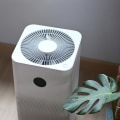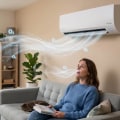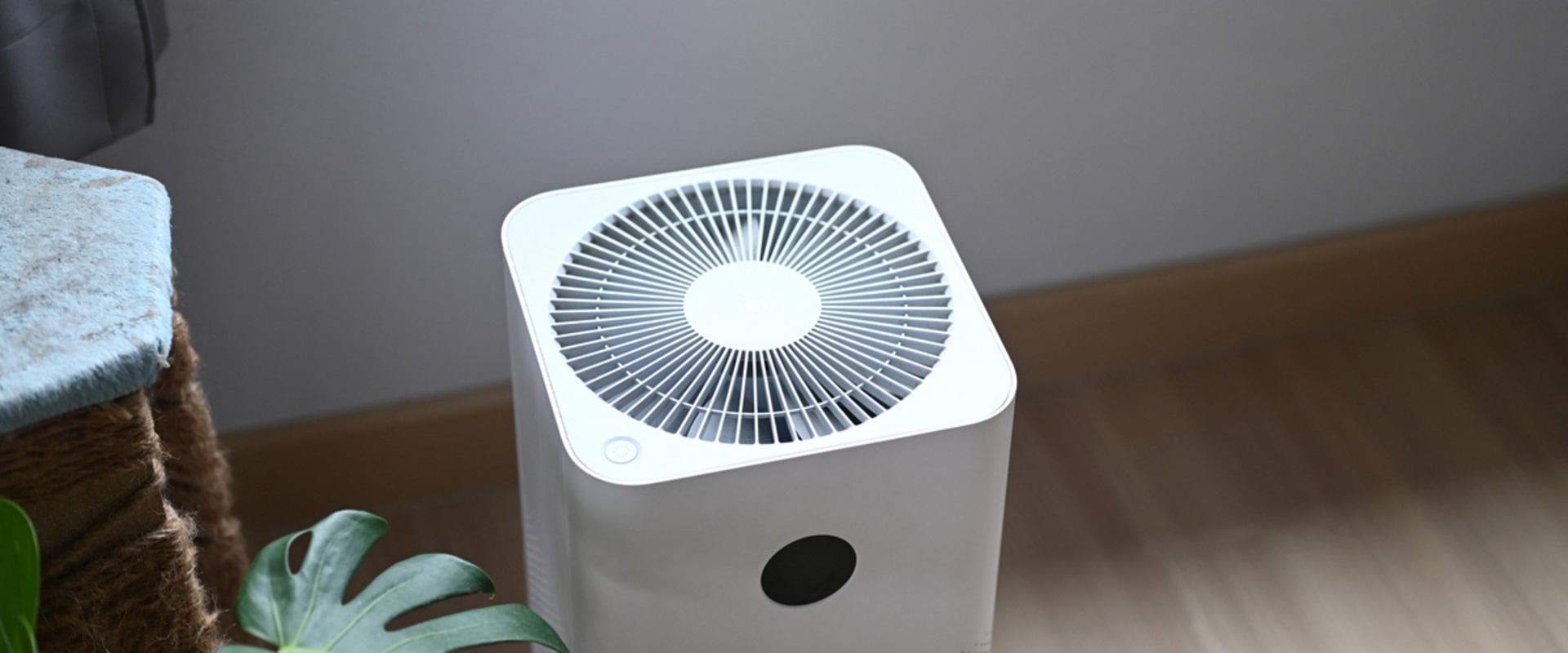
In an age where indoor air quality is increasingly compromised by pollutants, allergens, and volatile organic compounds (VOCs), understanding air purifiers becomes essential for maintaining a healthy living environment. These devices are designed to filter and cleanse the air in our homes, effectively removing harmful particles that can lead to respiratory issues and other health problems. But what exactly are air purifiers, and how do they function?At their core, air purifiers are appliances that utilize various technologies to eliminate contaminants from the air. They work by drawing in air from the surrounding environment, passing it through a series of filters or purification systems, and then releasing cleaner air back into the room.
The most common type of air purifier employs a HEPA filter , which is capable of trapping at least 99.97% of particles as small as 0.3 microns. This includes dust, pollen, pet dander, and even some bacteria and viruses.The benefits of using an air purifier extend beyond mere cleanliness; they can significantly enhance your overall well-being. For individuals suffering from allergies or asthma, these devices can provide much-needed relief by reducing exposure to triggers such as pollen and mold spores. Moreover, air purifiers can help mitigate odors from cooking, pets, or smoke, creating a more pleasant indoor atmosphere.
In addition to improving air quality, many models also come equipped with features like UV light technology that can kill airborne pathogens, further contributing to a healthier home.As we delve deeper into the world of air purifiers throughout this guide, we will explore the various types available on the market, their specific functionalities, and how to choose the right one for your needs. Understanding these aspects will empower you to make informed decisions about enhancing your indoor air quality and safeguarding your health.
Types of Air Purifiers
When it comes to improving indoor air quality, understanding the different types of air purifiers available is essential. Each type employs unique technologies and mechanisms to filter out pollutants, allergens, and other harmful particles from the air. Below, we explore some of the most common types of air purifiers, including their functionalities and ideal use cases.HEPA Filters
One of the most recognized types of air purifiers is the one that utilizes HEPA filters (High Efficiency Particulate Air).These filters are designed to capture at least 99.97% of airborne particles that are 0.3 microns or larger. This includes dust, pollen, pet dander, mold spores, and even some bacteria. The effectiveness of HEPA filters makes them a popular choice for individuals suffering from allergies or asthma.
Activated Carbon Filters
Activated carbon filters are another prevalent option in air purification technology. These filters work by adsorbing gases and odors through a process that involves trapping volatile organic compounds (VOCs) and other harmful chemicals.They are particularly effective in environments where odors from cooking, pets, or smoke are a concern. However, while activated carbon filters excel at removing gases and odors, they do not capture particulate matter as effectively as HEPA filters.
UV Air Purifiers
UV air purifiers
utilize ultraviolet light to kill or deactivate microorganisms such as bacteria, viruses, and mold spores. This technology is particularly beneficial in settings where sterilization is crucial, such as hospitals or laboratories. However, it’s important to note that UV purifiers are often used in conjunction with other filtration systems since they do not remove particulate matter from the air.
Ionic Purifiers
Ionic purifiers, also known as ionizers, work by emitting negatively charged ions into the air.These ions attach themselves to positively charged particles like dust and allergens, causing them to clump together and fall to the ground or stick to surfaces. While ionic purifiers can be effective at reducing airborne particles, they may produce ozone as a byproduct, which can be harmful in high concentrations.In summary, selecting the right type of air purifier depends on your specific needs and the pollutants you wish to target. Whether you prioritize removing allergens with HEPA filters or eliminating odors with activated carbon filters, understanding these options will help you make an informed decision for a healthier indoor environment.
How to Choose the Right Air Purifier
Choosing the right air purifier can significantly enhance your indoor air quality and overall health. With a plethora of options available, it’s essential to consider several factors to ensure you select the best model for your specific needs.1.Room Size
The first step in selecting an air purifier is to assess the size of the room where it will be used.
Air purifiers are rated for specific room sizes, typically measured in square feet. A unit that is too small for your space will struggle to clean the air effectively, while one that is too large may be unnecessarily expensive. Always check the manufacturer's specifications for the recommended room size and choose accordingly.
2.Filter Type
Different air purifiers utilize various types of filters, each designed to tackle specific pollutants:
- HEPA Filters: These are highly effective at capturing 99.97% of particles as small as 0.3 microns, making them ideal for allergens like dust, pollen, and pet dander.
- Activated Carbon Filters: These filters excel at absorbing odors and volatile organic compounds (VOCs), which are often released by household products and furnishings.
- UV Filters: Some purifiers use ultraviolet light to kill bacteria and viruses, providing an additional layer of protection against airborne pathogens.
3.Noise Levels
Noise can be a significant factor, especially if you plan to use the air purifier in a bedroom or office. Look for models that offer multiple fan speeds and check user reviews for insights on noise levels at different settings.
Many modern air purifiers operate quietly, even on higher settings, but it’s always wise to verify before purchasing.
4.Maintenance and Filter Replacement
Consider the maintenance requirements of the air purifier you choose. Some models have filters that need replacing every few months, while others may last longer. Factor in the cost of replacement filters when evaluating your options, as this can impact long-term expenses.
5.Specific Health Concerns
If you or someone in your household has specific health issues, such as asthma or severe allergies, it’s crucial to select an air purifier that addresses those concerns effectively. Research models that have been tested and certified for their effectiveness against particular allergens or pollutants relevant to your situation.By taking these factors into account—room size, filter type, noise levels, maintenance needs, and specific health concerns—you can make an informed decision when selecting an air purifier that best suits your lifestyle and improves your indoor air quality.
Top Air Purifiers on the Market
When it comes to choosing the top air purifiers for 2023, consumers are faced with a plethora of options that vary in features, performance, and price.To help you navigate this crowded market, we’ve compiled a list of some of the best-rated air purifiers currently available, along with their standout features and user reviews.
1.Coway AP-1512HH Mighty Air Purifier
The Coway AP-1512HH is often hailed as one of the best air purifiers on the market. It features a four-stage filtration system that includes a pre-filter, activated carbon filter, and a true HEPA filter. This model is particularly effective at removing allergens, smoke, and odors. Users appreciate its compact design and energy efficiency, making it suitable for small to medium-sized rooms.2.Dyson Pure Cool TP01
The Dyson Pure Cool TP01 not only purifies the air but also functions as a fan.Its 360-degree filtration system captures 99.97% of pollutants as small as 0.3 microns. The sleek design and smart features, such as Wi-Fi connectivity and app control, make it a favorite among tech-savvy consumers. However, it comes at a higher price point compared to other models.
3.Levoit Core 300
The Levoit Core 300 is an affordable option that doesn’t compromise on performance. It uses a three-stage filtration system and is particularly effective against pet dander and dust mites.Users rave about its quiet operation and compact size, making it ideal for bedrooms or home offices.
4.Honeywell HPA300
The Honeywell HPA300 is designed for larger spaces and boasts a powerful HEPA filter that captures up to 99.97% of airborne particles. It has multiple cleaning levels and is known for its durability and effectiveness in reducing allergens. Many users highlight its ability to quickly improve air quality in larger rooms.5.Blueair Blue Pure 211+
This model stands out for its unique design and high performance in removing smoke, dust, and pollen from the air. The Blueair Blue Pure 211+ uses both mechanical and electrostatic filtration to enhance its efficiency.Users appreciate its stylish look and low noise levels, making it suitable for any living space.In conclusion, when selecting from the top air purifiers, consider your specific needs such as room size, type of pollutants you want to target, and your budget. Each of these models has received positive reviews from users for their effectiveness and reliability, making them excellent choices for improving indoor air quality in your home.
Maintenance and Care for Air Purifiers
To ensure that your air purifier operates at peak efficiency, regular maintenance is essential. Neglecting this aspect can lead to reduced performance and even damage to the unit. Here are some practical air purifier maintenance tips to keep in mind:- Regularly Check Filters: The heart of any air purifier is its filter system.
Depending on the model and usage, filters should be checked every month. Most manufacturers recommend replacing HEPA filters every 6 to 12 months, while pre-filters may need changing more frequently.
- Clean the Exterior: Dust and dirt can accumulate on the outside of your air purifier, affecting its performance. Use a soft, damp cloth to wipe down the exterior regularly.
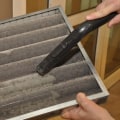
- Vacuum the Pre-Filters: If your air purifier has a pre-filter, it can often be vacuumed instead of replaced. This helps extend its life and maintain airflow.
- Monitor Air Quality Indicators: Many modern air purifiers come equipped with air quality indicators that alert you when it’s time to change the filter.
Pay attention to these signals for optimal performance.
How to Clean an Air Purifier
Cleaning your air purifier is straightforward but crucial for maintaining its effectiveness. Follow these steps:
- Turn Off and Unplug: Always ensure the unit is turned off and unplugged before cleaning.
- Remove Filters: Take out the filters according to the manufacturer’s instructions. Be cautious not to damage them during removal.
- Wash or Vacuum Filters: If your filters are washable, rinse them under lukewarm water and let them dry completely before reinserting. For non-washable filters, use a vacuum cleaner with a brush attachment to remove dust.
- Clean Internal Components: Use a soft brush or cloth to gently clean any dust buildup inside the unit.
Avoid using harsh chemicals or abrasive materials.
Replacing Filters in Air Purifiers
Replacing filters is a critical part of air purifier maintenance. Here are some guidelines:
- Follow Manufacturer Guidelines: Always refer to the user manual for specific instructions on filter replacement intervals and types.
- Use Genuine Filters: To ensure optimal performance, always use filters recommended by the manufacturer. Generic filters may not fit properly or perform as well.
- Keep Track of Replacement Dates: Consider marking your calendar or setting reminders for when it’s time to replace filters based on usage and environmental conditions.
Common Myths About Air Purifiers
When it comes to air purifiers, there are numerous myths and misconceptions that can cloud a consumer's judgment. Understanding the truth behind these myths is essential for making informed decisions about air quality in your home.Myth 1: Air Purifiers Eliminate All Airborne Pollutants
One of the most common misconceptions is that air purifiers can remove every type of airborne pollutant.While high-quality models, especially those with HEPA filters, are effective at capturing a significant percentage of particles like dust, pollen, and pet dander, they are not a cure-all. Many air purifiers struggle with gases and odors, which require specialized filters such as activated carbon to address.
Myth 2: All Air Purifiers Are the Same
Another prevalent myth is that all air purifiers function similarly. In reality, there are various types of air purifiers designed for different needs. For instance, some are optimized for allergens, while others focus on eliminating odors or volatile organic compounds (VOCs).Understanding the specific features and technologies of each model is crucial for selecting the right one for your home.
Myth 3: Air Purifiers Are Noisy
Many potential buyers shy away from air purifiers due to the belief that they are excessively noisy. While older models may have been loud, advancements in technology have led to quieter designs. Many modern air purifiers operate at low noise levels, making them suitable for bedrooms and other quiet spaces.Myth 4: You Don’t Need to Change Filters Regularly
Some users believe that once they purchase an air purifier, they can set it and forget it. This is far from the truth.Regular maintenance, including changing filters as recommended by the manufacturer, is vital for optimal performance. Neglecting this can lead to reduced efficiency and even damage to the unit.
Myth 5: Air Purifiers Can Replace Good Ventilation
While air purifiers can significantly improve indoor air quality, they should not be seen as a substitute for proper ventilation. Fresh outdoor air is essential for maintaining a healthy indoor environment. Using an air purifier in conjunction with good ventilation practices will yield the best results.By debunking these common myths about air purifiers, consumers can better understand their capabilities and limitations.This knowledge empowers individuals to make informed choices that enhance their indoor air quality effectively.
Frequently Asked Questions (FAQs)
When considering the purchase of an air purifier, many potential buyers have questions regarding their functionality, effectiveness, and maintenance. Below are some of the most frequently asked questions about air purifiers that can help clarify common concerns and provide valuable insights.1.How do air purifiers work?
Air purifiers operate by drawing in air from the surrounding environment, filtering it through various types of filters, and then releasing the cleaned air back into the room. The most common filtration method involves HEPA (High Efficiency Particulate Air) filters, which capture at least 99.97% of particles that are 0.3 microns or larger, including dust, pollen, and pet dander.2.Are air purifiers effective against allergens?
Yes, top air purifiers are particularly effective at reducing allergens in the home. HEPA filters are designed to trap common allergens such as pollen, mold spores, and dust mites.For individuals with allergies or asthma, using an air purifier can significantly improve indoor air quality and reduce symptoms.
3.Do I need to keep my windows closed when using an air purifier?
While it is not strictly necessary to keep windows closed, doing so can enhance the effectiveness of your air purifier. Open windows allow outdoor pollutants to enter your home, which can counteract the benefits of your purifier. For optimal results, consider using your air purifier in a closed room.4.How often should I replace the filters?
The frequency of filter replacement depends on the type of filter and usage conditions. Generally, HEPA filters should be replaced every 6 to 12 months, while pre-filters may need to be changed every 1 to 3 months.Always refer to the manufacturer's guidelines for specific recommendations.
5.Can air purifiers remove odors?
Many modern air purifiers come equipped with activated carbon filters that are effective at absorbing odors from cooking, pets, smoke, and other sources. If odor removal is a primary concern for you, look for models specifically designed with this feature.6.Are there any health risks associated with using an air purifier?
While most air purifiers are safe to use, some models—particularly those that produce ozone—can pose health risks if used improperly. It’s essential to choose a purifier that meets safety standards and does not emit harmful by-products. Always check for certifications from reputable organizations.7.How much noise do air purifiers make?
The noise level of an air purifier varies by model and fan speed settings.Many manufacturers provide decibel ratings for their products; generally, quieter models operate at around 30-50 decibels on low settings, comparable to a soft whisper or background noise.By addressing these common questions about air purifiers, potential buyers can make informed decisions that best suit their needs and improve their indoor air quality effectively.
Conclusion: The Importance of Clean Air and Choosing the Right Air Purifier
In conclusion, the significance of maintaining clean air in our homes cannot be overstated. With the increasing prevalence of indoor air pollutants, understanding the role of top air purifiers becomes essential for safeguarding our health and well-being. The air we breathe directly impacts our respiratory health, cognitive function, and overall quality of life. Therefore, investing in an effective air purification system is not just a luxury; it is a necessity.Throughout this guide, we have explored various types of air purifiers, including HEPA filters, activated carbon filters, and UV purifiers.Each type serves a unique purpose and addresses different air quality concerns. For instance, HEPA filters are renowned for their ability to capture fine particles such as dust and pollen, while activated carbon filters excel at removing odors and volatile organic compounds (VOCs). Understanding these differences is crucial when selecting the right purifier for your specific needs.Moreover, it is vital to consider factors such as room size, filter replacement frequency, and additional features like smart technology or noise levels when making your choice. A well-informed decision can lead to significant improvements in indoor air quality, which is particularly beneficial for individuals with allergies, asthma, or other respiratory conditions.As you embark on your journey to cleaner air, remember that regular maintenance of your air purifier is key to its effectiveness.
This includes timely filter replacements and routine checks to ensure optimal performance. By prioritizing clean air in your living environment, you are not only enhancing your health but also creating a more comfortable and inviting home.In summary, the importance of clean air cannot be ignored. By choosing the right air purifier, you take a proactive step towards improving your indoor air quality and fostering a healthier lifestyle for you and your loved ones.