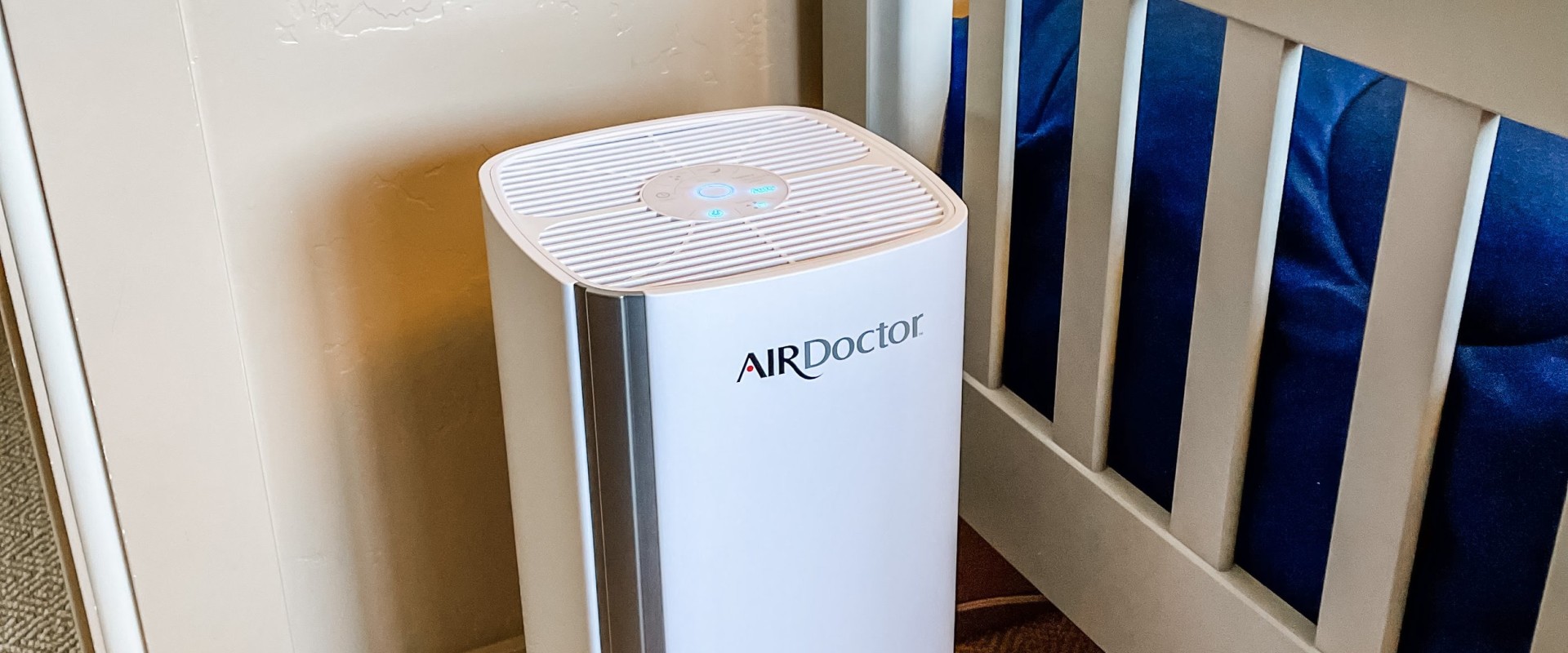
In an age where indoor air quality is increasingly recognized as a critical component of overall health, air purifiers have emerged as essential devices for many households. These appliances are designed to filter out harmful particles and pollutants from the air we breathe, making them particularly valuable for individuals suffering from allergies, asthma, or other respiratory conditions. But what exactly are air purifiers, and how do they function to improve our living environments?At their core, air purifiers are devices that remove contaminants from the air in a room. They work by drawing in air through a series of filters that capture various pollutants, including dust, pollen, pet dander, smoke, and even certain bacteria and viruses.
The most effective models utilize HEPA filtersHEPA filters , which can trap particles as small as 0.3 microns with an efficiency of 99.97%. This level of filtration is crucial for ensuring that the air circulating in your home is as clean as possible.The benefits of using air purifiers extend beyond just allergy relief. Improved indoor air quality can lead to better sleep, enhanced cognitive function, and a general sense of well-being. For those living in urban areas or regions with high levels of outdoor pollution, an air purifier can serve as a barrier against harmful substances that infiltrate homes.
Additionally, many modern air purifiers come equipped with features such as activated carbon filters to absorb odors and volatile organic compounds (VOCs), further enhancing their effectiveness.As we delve deeper into the world of air purifiers, it’s essential to understand not only their mechanisms but also the specific needs they address. Whether you’re looking to alleviate allergy symptoms or simply want to create a healthier living space, knowing how these devices operate and their potential benefits will empower you to make informed decisions about your indoor air quality.
Types of Air Purifiers
When it comes to improving indoor air quality, understanding the different types of air purifiers available is crucial. Each type operates on distinct principles and is designed to tackle specific air quality issues. Here’s a closer look at the most common types:HEPA Filters
High-Efficiency Particulate Air (HEPA) filters are among the most popular and effective options for air purification.These filters are designed to capture at least 99.97% of particles that are 0.3 microns in diameter, including dust, pollen, pet dander, and even some bacteria. The mechanism involves forcing air through a fine mesh that traps these tiny particles, making HEPA filters particularly beneficial for individuals with allergies or asthma.
Activated Carbon Filters
Activated carbon filters
utilize a different approach by adsorbing gases and odors from the air. The porous nature of activated carbon allows it to trap volatile organic compounds (VOCs), smoke, and other harmful chemicals. While they are not as effective at removing particulate matter as HEPA filters, they excel in eliminating unpleasant smells and improving overall air freshness.
Many air purifiers combine HEPA and activated carbon filters to provide comprehensive air cleaning.
UV Air Purifiers
Ultraviolet (UV) air purifiers
use UV light to kill or deactivate microorganisms such as bacteria, viruses, and mold spores. This technology is particularly useful in environments where microbial contamination is a concern, such as hospitals or homes with immunocompromised individuals. However, it’s important to note that UV purifiers should be used in conjunction with other filtration methods, as they do not remove particulate matter from the air. use UV light to kill or deactivate microorganisms such as bacteria, viruses, and mold spores. This technology is particularly useful in environments where microbial contamination is a concern, such as hospitals or homes with immunocompromised individuals. However, it’s important to note that UV purifiers should be used in conjunction with other filtration methods, as they do not remove particulate matter from the air.
Ionic Air Purifiers
Ionic air purifiers
work by emitting negatively charged ions into the air, which attach to positively charged particles like dust and allergens. This process causes the particles to clump together and fall out of the air or be collected on charged plates within the purifier.
While ionic purifiers can reduce airborne particles, they may produce ozone as a byproduct, which can be harmful in high concentrations.Choosing the right type of air purifier depends on your specific needs and the pollutants you wish to target. For those primarily concerned with allergens, a unit with a HEPA filter is often recommended. If odors or chemical vapors are your main issue, consider an activated carbon filter. Understanding these distinctions will help you make an informed decision when selecting from the top air purifiers available on the market.
Key Features to Look For
When considering the purchase of an air purifier, it’s essential to evaluate several key features that can significantly impact its effectiveness and suitability for your specific needs.Here are the most important factors to keep in mind:
- Filter Type: The type of filter is one of the most critical aspects of an air purifier.
HEPA filters
are widely regarded as the gold standard for capturing airborne particles, including dust, pollen, and pet dander. If you are particularly sensitive to allergens, look for purifiers that specifically mention HEPA filtration. Additionally, some models may include activated carbon filters, which are effective at removing odors and volatile organic compounds (VOCs). - Room Size Compatibility: Air purifiers are designed to work effectively within specific room sizes.
Always check the manufacturer’s specifications to ensure that the model you choose is suitable for the area where you plan to use it. A purifier that is too small for a large room will not be able to clean the air effectively.
- Noise Levels: Noise can be a significant factor, especially if you plan to use the air purifier in a bedroom or office. Look for models that provide a decibel rating or have a "quiet" mode. Many modern air purifiers are designed to operate quietly, allowing you to enjoy clean air without disruptive noise.
- Maintenance Requirements: Consider how often you will need to replace filters and perform maintenance on the unit.
Some air purifiers come with filter replacement indicators, which can help you keep track of when it’s time for a change. Regular maintenance is crucial for ensuring optimal performance and longevity of the device.
- Energy Efficiency: Look for energy-efficient models that have been certified by organizations such as ENERGY STAR. These purifiers consume less electricity while still providing effective air cleaning, which can save you money on your energy bills over time.
- Add-On Features: Some air purifiers come with additional features such as smart technology, which allows you to control the device via a smartphone app or voice commands. Others may include air quality sensors that automatically adjust the purification level based on current air quality conditions.
Each feature plays a vital role in ensuring that your chosen model meets your specific needs and provides a healthier indoor environment.
Expert Recommendations for Top Air Purifiers
When it comes to selecting the top air purifiers for 2023, experts emphasize the importance of performance, reliability, and user satisfaction. With a plethora of options available, understanding which models stand out can significantly enhance your indoor air quality. Here are some of the best-rated air purifiers recommended by professionals in the field:- Dyson Purifier Cool TP01 : This model is not only a powerful air purifier but also functions as a fan. It features a HEPA filter that captures 99.97% of allergens and pollutants as small as 0.3 microns.
Experts appreciate its sleek design and smart technology, which allows users to monitor air quality in real-time through a mobile app.
- Honeywell HPA300 : Known for its robust performance, the Honeywell HPA300 is ideal for larger rooms up to 465 square feet. It utilizes a true HEPA filter and has multiple cleaning levels, making it effective against dust, pollen, and pet dander. Users have praised its durability and ease of filter replacement.
- Levoit Core 300 : This compact air purifier is perfect for smaller spaces and is highly rated for its quiet operation. It features a three-stage filtration system, including a HEPA filter, and is particularly effective at removing smoke and odors.
Experts recommend it for those seeking an affordable yet efficient option.
- Blueair Blue Pure 211+ : Combining style with functionality, this air purifier is designed for large rooms and boasts a high Clean Air Delivery Rate (CADR). Its unique design allows for 360-degree air intake, ensuring comprehensive purification. The washable pre-filter adds to its cost-effectiveness.
- Filter Type: Look for models with true HEPA filters for maximum allergen removal.
- Room Size: Ensure the purifier is suitable for the size of your space; larger rooms require more powerful units.
- Noise Level: If you plan to use the purifier in a bedroom or office, opt for quieter models.
- Smart Features: Some purifiers offer app connectivity or air quality sensors that provide real-time feedback.
Effectiveness of Air Purifiers in Reducing Allergens and Pollutants
Air purifiers have gained significant attention for their potential to improve indoor air quality by reducing airborne allergens and pollutants.However, understanding their effectiveness requires a closer examination of the scientific evidence and the mechanisms by which these devices operate.Research indicates that air purifiers equipped with HEPA filters are particularly effective at capturing small particles, including dust mites, pollen, pet dander, and mold spores. A study published in the Journal of Allergy and Clinical Immunology found that HEPA filters can remove up to 99.97% of particles as small as 0.3 microns, which encompasses many common allergens.Despite this impressive capability, it is crucial to recognize that air purifiers are not a panacea for indoor air quality issues. They work best when used in conjunction with other strategies aimed at reducing allergens. For instance:
- Regular Cleaning: Frequent dusting and vacuuming can significantly lower the number of allergens present in your home.
- Proper Ventilation: Ensuring adequate airflow can help dilute indoor pollutants and bring in fresh air.
- Avoiding Triggers: Identifying and minimizing exposure to known allergens, such as certain foods or materials, is essential for those with allergies.
While they can significantly reduce the concentration of airborne particles, they cannot address sources of pollution directly. For example, if you have a mold problem in your home, an air purifier may help reduce mold spores in the air but will not eliminate the mold itself.Furthermore, the effectiveness of an air purifier can vary based on its size and the room it is placed in. Using a device that is too small for a large room will limit its ability to clean the air effectively. Therefore, it is essential to choose a model that matches your space's square footage.In summary, while air purifiers can play a valuable role in improving indoor air quality by reducing allergens and pollutants, they should be viewed as part of a broader strategy for maintaining a healthy living environment.
Proper usage, regular maintenance, and complementary cleaning practices are vital for achieving optimal results.
Limitations of Air Purifiers
While air purifiers can significantly enhance indoor air quality, it is crucial to recognize their limitations. Understanding when not to rely solely on these devices can help you adopt a more comprehensive approach to managing your indoor environment.1.Not a Complete Solution
Air purifiers are designed to filter out specific pollutants, such as dust, pollen, and pet dander. However, they do not address all sources of indoor air pollution. For instance, volatile organic compounds (VOCs) emitted from household products, paints, and cleaning agents may not be effectively captured by standard HEPA filters.
In such cases, relying solely on an air purifier may provide a false sense of security.
2.Limited Coverage Area
Most air purifiers are effective only within a certain square footage. If you have a large home or multiple rooms, a single unit may not suffice. To achieve optimal air quality throughout your living space, you may need multiple units or a whole-house system. This can lead to increased costs and maintenance efforts.
3.Maintenance Requirements
Air purifiers require regular maintenance to function effectively.
This includes changing filters according to the manufacturer's recommendations and cleaning the unit itself. Neglecting these tasks can lead to reduced performance and even the release of trapped pollutants back into the air.
4.Not a Substitute for Cleaning
While air purifiers can help reduce airborne particles, they should not replace regular cleaning practices. Dusting surfaces, vacuuming with a HEPA filter vacuum cleaner, and washing bedding are essential tasks that work in tandem with air purification to maintain a healthy indoor environment.
5.Psychological Dependence
Some individuals may develop a psychological dependence on air purifiers, believing that they can ignore other important aspects of indoor air quality management. This mindset can lead to neglecting proper ventilation and other preventive measures that are vital for maintaining good air quality.
6.Specific Health Conditions
For individuals with severe allergies or respiratory conditions, an air purifier may provide some relief but should not be viewed as a standalone solution.
Consulting with healthcare professionals for personalized advice is essential in managing health conditions effectively.In conclusion, while air purifiers play an important role in improving indoor air quality, they are not a panacea for all air quality issues. A holistic approach that includes regular cleaning, proper ventilation, and awareness of potential pollutants is necessary for creating a truly healthy living environment.
Maintenance and Care for Air Purifiers
To ensure that your air purifier operates at peak efficiency, regular maintenance and care are essential. Neglecting these tasks can lead to reduced performance and a shorter lifespan for your device. Here are some practical tips to help you maintain your air purifier effectively.Regular Cleaning
Cleaning your air purifier is crucial for maintaining its functionality.Dust and debris can accumulate on the exterior and interior components, hindering airflow and reducing purification efficiency. Follow these steps for effective cleaning:
- Exterior Wipe Down: Use a soft, damp cloth to wipe the outer surfaces of the air purifier. Avoid using harsh chemicals that could damage the finish.
- Pre-Filter Maintenance: If your air purifier has a pre-filter, remove it and vacuum it gently to eliminate dust and larger particles. This should be done every few weeks, depending on usage.
- Interior Inspection: Periodically check the interior of the unit for any dust buildup.
Use a soft brush or cloth to clean any accessible areas without damaging internal components.
Filter Replacement Schedule
The filters in your air purifier play a vital role in capturing pollutants and allergens. To maintain optimal performance, adhere to the following filter replacement guidelines:- HEPA Filters: These should typically be replaced every 6 to 12 months, depending on usage and manufacturer recommendations. Check the filter indicator light if available.
- Activated Carbon Filters: If your air purifier uses an activated carbon filter for odor removal, replace it every 3 to 6 months for best results.
- Pre-Filters: These can often be cleaned but should be replaced every 1 to 3 months based on usage levels.
Monitor Performance
Keep an eye on your air purifier's performance indicators. Many modern units come equipped with sensors that alert you when filters need changing or when the air quality is poor.Regularly checking these indicators can help you stay proactive about maintenance.By following these maintenance tips, you can ensure that your air purifier remains effective in improving indoor air quality while extending its lifespan. Regular care not only enhances performance but also contributes to a healthier living environment.
Combining Air Purification with Other Strategies for Better Indoor Air Quality
While air purifiers play a significant role in enhancing indoor air quality, relying solely on them is not enough to achieve optimal results. A comprehensive approach that combines air purification with effective cleaning practices and proper ventilation is essential for maintaining a healthy living environment. Here are some strategies to consider:1.Regular Cleaning Practices
- Dusting and Vacuuming: Regularly dust surfaces and vacuum floors using a vacuum cleaner equipped with a HEPA filter.
This helps to capture allergens such as dust mites, pet dander, and pollen that may settle on surfaces.
- Wash Fabrics: Curtains, bedding, and upholstery can harbor allergens. Wash these items frequently in hot water to eliminate dust mites and other irritants.
- Declutter: Reducing clutter in your home minimizes the number of surfaces where dust can accumulate. Keep items organized and stored away to facilitate easier cleaning.
2.Enhancing Ventilation
Proper ventilation is crucial for improving indoor air quality. Here are some tips:- Open Windows: Whenever weather permits, open windows to allow fresh air to circulate throughout your home.
This helps dilute indoor pollutants and brings in cleaner outdoor air.
- Use Exhaust Fans: Utilize exhaust fans in kitchens and bathrooms to remove moisture and odors. This can help prevent mold growth and improve overall air quality.
- Consider Air Exchange Systems: If feasible, invest in an energy recovery ventilator (ERV) or heat recovery ventilator (HRV) system. These systems exchange stale indoor air with fresh outdoor air while minimizing energy loss.
3.Avoiding Common Indoor Pollutants
Be mindful of common sources of indoor pollution:- Avoid Smoking Indoors: Tobacco smoke contains numerous harmful chemicals that can linger in the air long after smoking has stopped.
- Limit Use of Scented Products: Many air fresheners, candles, and cleaning products contain volatile organic compounds (VOCs) that can contribute to poor air quality.
- Control Humidity Levels: Maintain indoor humidity levels between 30% and 50% to prevent mold growth and dust mites. Use dehumidifiers if necessary.
Frequently Asked Questions About Air Purifiers
When considering the purchase of a top air purifier, potential buyers often have numerous questions.Addressing these frequently asked questions can help clarify doubts and guide informed decisions.
What is an air purifier and how does it work?
An air purifier is a device designed to remove contaminants from the air in a room. It works by drawing in air, filtering it through various mechanisms, and then releasing clean air back into the environment. The most common type of filter used in air purifiers is the HEPA filter, which captures particles as small as 0.3 microns, including dust, pollen, and pet dander.Do air purifiers really improve indoor air quality?
Yes, air purifiers can significantly improve indoor air quality by reducing airborne pollutants. However, their effectiveness depends on several factors, including the type of filter used, the size of the room, and the specific pollutants present.For optimal results, it’s essential to choose a purifier that matches your needs and to use it in an appropriately sized space.
How often should I change the filters?
Filter replacement frequency varies by model and usage. Generally, HEPA filters should be replaced every 6 to 12 months, while pre-filters may need changing every 1 to 3 months. Always refer to the manufacturer’s guidelines for specific recommendations.Can I run my air purifier continuously?
Most air purifiers are designed for continuous operation. Running your unit continuously can help maintain optimal air quality.However, consider energy consumption and noise levels when deciding on continuous use.
What maintenance do air purifiers require?
Regular maintenance is crucial for ensuring your air purifier operates effectively. This includes:- Changing filters as recommended by the manufacturer.
- Cleaning the exterior and any accessible parts to prevent dust buildup.
- Checking for any error messages or indicators that may signal a malfunction.
Are there any health risks associated with using an air purifier?
While most air purifiers are safe to use, some models that utilize ionizers or ozone generators can produce harmful byproducts. It’s important to choose a reputable brand and model that has been tested for safety and effectiveness.By understanding these common questions about air purifiers, you can make a more informed decision when selecting the right device for your home or office environment.Conclusion: Making an Informed Decision on Air Purifiers
In conclusion, the journey towards enhancing your indoor air quality through the use of top air purifiers is both essential and nuanced. As we have explored throughout this article, air purifiers can play a significant role in reducing airborne allergens and pollutants, but they are not a standalone solution.Understanding your specific needs and the limitations of these devices is crucial for making an informed decision.When selecting an air purifier, consider the following key points:
- Type of Filter: HEPA filters are widely recognized for their effectiveness in capturing small particles, including dust, pollen, and pet dander. If allergies are your primary concern, a model equipped with a HEPA filter is likely your best option.
- Room Size: Ensure that the air purifier you choose is suitable for the size of the room where it will be used. Many manufacturers provide specifications on the coverage area, which can help you select a model that will effectively clean the air in your space.
- Maintenance Requirements: Regular maintenance, including filter changes and cleaning, is vital for optimal performance. Familiarize yourself with the maintenance schedule of your chosen model to ensure it continues to operate efficiently.
- Noise Levels: Some air purifiers can be noisy, which may be a concern if you plan to use one in a bedroom or office.
Look for models that offer quiet operation or multiple fan speeds.
- Additional Features: Consider whether you want extra features such as air quality sensors, smart technology integration, or activated carbon filters for odor removal. These can enhance the functionality of your air purifier.